
WorldIndustrialWeekly General Industry Brief: Waymo and Toyota Move Robotaxi Integration onto the Assembly Line
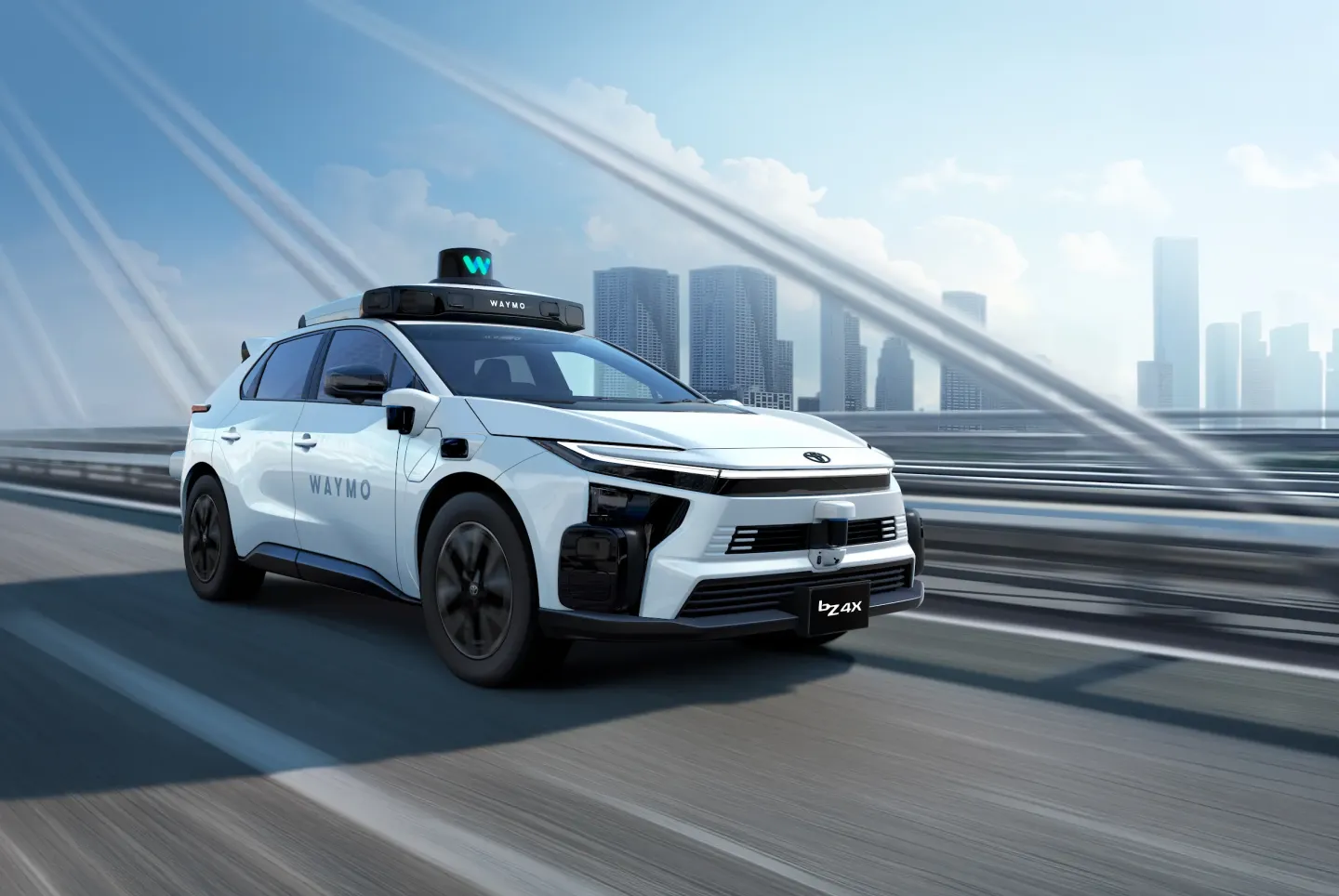
For manufacturing, mobility and engineering teams following autonomous vehicles, the most operationally significant point in the deeper Waymo and Toyota Motor Corporation partnership is not simply the chosen car, but where the autonomy hardware will be integrated. The two companies are planning a next-generation robotaxi built on the bZ4X, with Toyota hardware manufacturing and Waymo Driver installation taking place in the same Japanese plant. Testing is scheduled for 2027 in Japan, with gradual expansion expected toward the United Kingdom (UK) and other markets.
Why Line-Integrated Production Matters
Google parent Alphabet-owned Waymo is not tying its international expansion to one vehicle. Toyota is contributing its mature automotive manufacturing system, global supply chain and long experience in vehicle reliability. Waymo contributes commercially deployed L4 level autonomy technology. The combined goal is to move from vehicle conversion projects into a repeatable production process.
The announced plan says Toyota will build the base vehicles at its Takaoka plant in Toyota City, Aichi Prefecture, Japan, and the Waymo Driver hardware installation will also be completed at that same facility. That differs from the older pattern of taking ordinary mass-produced cars and retrofitting them after delivery. If the process works, it should reduce the work of pulling vehicles apart, modifying them, reassembling them and later maintaining them. It also lowers manual handling, logistics and service complexity, which becomes important when robotaxi operations need tens of thousands of vehicles.
Case Lens: The Robotaxi as an Accessible Service Product
The bZ4X vehicle is being reshaped for driverless passenger journeys rather than presented as a generic taxi conversion. The published description points to wider rear legroom, powered doors, a powered liftgate and ambient lighting. These features respond to routine service tasks: entering the car, placing luggage and completing a ride without a driver present to assist.
That design focus is important for older passengers, riders with mobility constraints and people traveling with luggage. The article's framing shows that the question is not only whether the vehicle can navigate, but whether the full passenger experience can operate safely and conveniently when the driver seat is empty. For industrial teams, this turns robotaxi development into a systems problem spanning body design, assembly, quality, operations and maintenance.
Data Anchors from the Announcement
| Known Data Point | Why It Matters | Still Not Disclosed |
|---|---|---|
| April 2025 initial cooperation | Establishes the starting point for exploring a joint autonomous vehicle platform. | Commercial or contractual terms beyond the stated direction. |
| 2027 Japan testing | Signals a local validation phase before wider international rollout. | Exact start date of nationwide commercial robotaxi service. |
| Takaoka plant line integration | Points to standardized manufacture and hardware installation in one place. | First batch volume of bZ4X robotaxis. |
| Waymo Driver sensor categories | Cameras, lidar, millimeter-wave radar and vehicle computing are referenced. | The specific generation used for this Toyota variant, sensor count and full parameters. |
| Other vehicle platforms | Jaguar I-Pace, Zeekr Ojai and Hyundai Motor Ioniq 5 direction show multi-supplier strategy. | The future vehicle mix across markets. |
Broader Vehicle Strategy
The Toyota plan sits inside Waymo's effort to broaden its vehicle sources. The current fleet context includes the Jaguar I-Pace and the Ojai vehicle developed with Zeekr, a brand associated with Geely in China. The Ojai is built on the SEA-M architecture and has already begun providing rides to some users. Waymo has also pointed to a model using the Hyundai Motor Company's Ioniq 5. The larger idea is to run different vehicles on a unified sixth generation system, reducing dependence on any single automaker.
This also explains why the partnership is not only a technology collaboration. For Waymo, the bottleneck is no longer limited to proving that a car can drive itself. It now includes lowering vehicle purchase and conversion cost, raising fleet utilization, and building manufacturing and maintenance systems capable of supporting large operations. Toyota's contribution is industrial scale; Waymo's contribution is a deployed autonomy stack. Together, they are testing whether robotaxi service can be supplied more like an automotive fleet than like a custom-built experiment.
Market Sequence: Japan First, United Kingdom Next
The schedule starts in Japan because local road rules, signs and driving behavior need to be validated in a real environment. The United Kingdom is the next named international market. Japan and the UK share left-hand traffic and right-hand drive vehicle orientation, which can create some reusable technical and operational learning. The plan still requires local road validation and alignment with UK regulatory requirements before service can be offered there.
Because 2027 is described as a testing and verification year, the immediate milestone is evidence gathering, not an immediate national taxi launch. The smaller-scale Japanese test will help Waymo understand how the line-built bZ4X behaves in conditions that differ from its existing market experience.
What Comes After Robotaxis
The companies have also said they will study using Waymo autonomy technology in private passenger cars. Woven by Toyota is expected to take part in related cooperation. One stated use of the real-world operating data is to study ways to improve overall vehicle and road infrastructure safety. This keeps the project open-ended: it is anchored today in robotaxis, but its findings may later support consumer vehicles and mobility services beyond the initial taxi platform.
Common Misconceptions
- Misconception: The new bZ4X robotaxi is just a normal production car with a conversion kit.
Correction: The stated model is manufacturing and Waymo hardware installation in the same Takaoka plant, which is closer to line-built product development than aftermarket retrofit. - Misconception: A 2027 date confirms immediate commercial rollout in Japan.
Correction: The plan begins with small-scale testing and validation; national service dates and fleet scale are not disclosed. - Misconception: The biggest unknown is whether Waymo has L4 capability.
Correction: Waymo already has commercially deployed L4 experience. The unknowns are Toyota-specific hardware details, production economics, deployment pace and regulatory fit in each market. - Misconception: Left-hand traffic makes the UK an automatic extension of Japan testing.
Correction: Traffic orientation can help transfer learning, but UK roads and regulation still require local verification.
Action Suggestions
- Manufacturing teams: Map how integrating camera, lidar, radar and computing hardware on the line changes assembly sequence, quality gates, repair paths and supplier coordination. The article's value proposition is lower post-build modification, so the production plan should be judged against cost and service complexity.
- Operations leaders: Use the Japan and UK sequence as a reminder that robotaxi readiness is market-specific. Testing, regulation, vehicle orientation and local driving behavior should be planned separately, even when two markets share left-hand traffic.
- Fleet and asset managers: Track the stated need to support tens of thousands of vehicles. Procurement, utilization, maintenance and standardized hardware should be assessed together, not as separate cost centers.
- Product managers: Prioritize passenger entry, rear seating, luggage and accessibility features. The bZ4X changes show that driverless service depends on completing the ride journey without driver assistance.
- Strategy teams: Watch the multi-platform pattern across Jaguar I-Pace, Zeekr Ojai, Hyundai Motor Ioniq 5 and Toyota bZ4X. Supplier diversification appears central to Waymo's international growth.
FAQ
What vehicle will Waymo and Toyota use for the new robotaxi?
The platform named in the plan is the Toyota bZ4X, adapted for driverless service and integrated with Waymo Driver technology.
Where will production and hardware installation happen?
The same facility is described: Toyota's Takaoka plant in Toyota City, Aichi Prefecture, Japan.
When will the first testing happen?
Testing and validation are scheduled to start in Japan in 2027, followed by gradual international expansion toward the United Kingdom and other markets.
Does the plan include only autonomous taxis?
No. The collaboration also includes study of applying Waymo autonomy technology to private passenger cars, with Woven by Toyota expected to participate in related safety and mobility work.
Why does Waymo already work with other vehicles?
The existing vehicle mix includes the Jaguar I-Pace, the Zeekr Ojai built on the SEA-M architecture, and a planned Hyundai Motor Ioniq 5 model. Waymo is aiming for a unified sixth generation system across vehicles to reduce supplier dependence.
For WorldIndustrialWeekly readers, the announcement is a reminder that autonomous mobility's next frontier is industrial: how quickly, reliably and economically a driverless vehicle can be built, validated and supported across markets. The Toyota and Waymo line-integration experiment will be judged first by test results, then by whether a robotaxi fleet can move from bespoke assembly to automotive normal.