
WorldIndustrialWeekly Analysis: AI Data Center Power Demand Could Offset United States Emission Gains by 2030
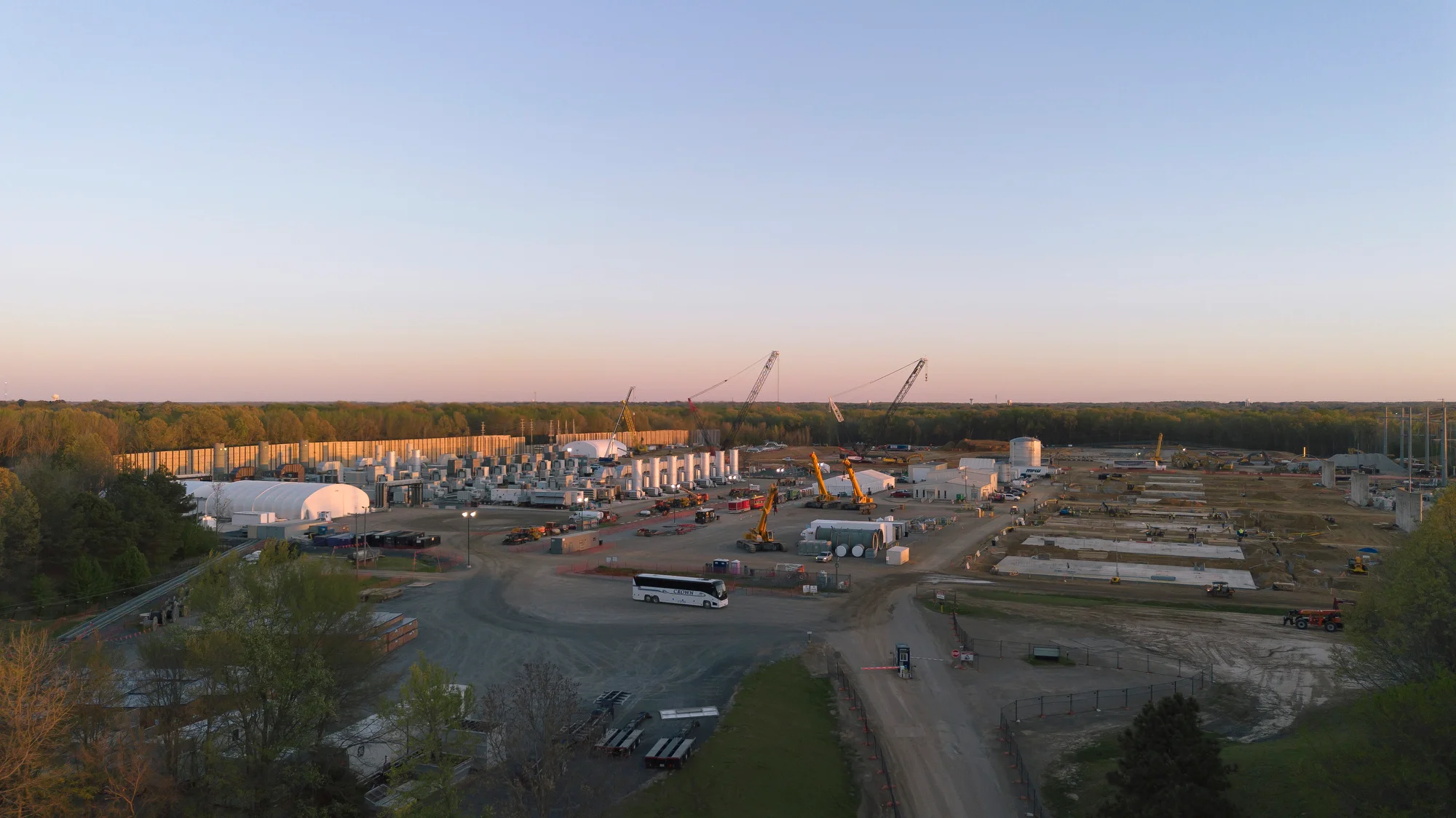
As artificial intelligence workloads move from experimental training runs into always-on inference, cloud services, and enterprise deployment, the power footprint of data centers is becoming a United States energy-planning issue rather than a purely digital infrastructure topic. A new reading of the Sierra Club analysis suggests that by 2030, electricity demand linked to AI facilities could slow or reverse decarbonization progress made by the power sector over the past 15 years.
Why this projection matters for industrial electricity planning
The core concern is not that data centers are new to the grid, but that their growth rate is outpacing the normal pace of generation, transmission, and interconnection decisions. The Sierra Club analysis expects United States power-sector carbon dioxide emissions to rise to about 2.1 billion tons by 2030, roughly 42% higher than the 2025 level. If that trajectory holds, the United States would see a major setback in the emissions reductions built through the 2010s, when cleaner generation and efficiency measures gradually lowered the carbon intensity of electricity supply.
For manufacturers, utilities, engineers, and project developers, the implication is practical: the debate is shifting from abstract climate accounting to physical constraints. Data halls, substations, gas turbines, cooling loads, grid approvals, and clean-energy procurement schedules are now part of the same conversation.
Case pattern: behind-the-meter generation becomes the shortcut
The analysis highlights a recurring operating pattern rather than a single named project. Technology companies planning AI data centers often need electricity sooner than the public grid can be expanded to serve them. When interconnection queues and permitting timelines stretch for years, some developers build or contract dedicated generation on site. These behind-the-meter projects are usually fueled by natural gas or other fossil sources, and their emissions may not be fully reflected in public grid statistics.
This matters because the environmental burden is still real even if it sits outside a utility reporting boundary. The projected scale is significant: by 2030, off-grid generation equipment built or operated for data center developers could emit more than 460 million tons of carbon dioxide each year. The analysis notes that this increase alone would approach the total annual emissions of Mexico for one year. It is important to read the comparison narrowly: it refers to the relevant off-grid generation facilities, not every activity associated with all data centers.
Breakdown: grid-connected and off-grid pressures both add emissions
Another common misunderstanding is to treat off-grid generation as a temporary workaround that does not affect national climate outcomes. The report suggests that even data centers connected to the public grid create additional emissions pressure. By 2030, grid-connected data center projects could add about 154 million tons of carbon dioxide, equivalent to an increase of about 10% above the baseline. In other words, both self-supplied power and utility-served power can push the United States farther from its reduction objectives unless new electricity supply is cleaner, faster, and better planned.
| Pressure channel | Projected impact | Why it affects industrial planning |
|---|---|---|
| Behind-the-meter off-grid generation | More than 460 million tons of CO2 per year by 2030 | Creates emissions outside standard grid reporting while using fossil fuels |
| Grid-connected data centers | About 154 million tons of additional CO2; about 10% above baseline | Raises utility-side demand and may delay or dilute clean-energy progress |
| Total United States power-sector emissions | About 2.1 billion tons by 2030; about 42% above 2025 | Suggests past 15-year decarbonization gains may be offset |
Common misconceptions to avoid
- Behind-the-meter power is not a clean exit from emissions accounting. The analysis indicates that on-site fossil generation still emits greenhouse gases even when it is not directly counted in public grid statistics.
- The pace of clean-energy buildout matters. If renewable supply and transmission cannot match AI demand, emissions can rise even when new generation is intended to be cleaner.
- Grid connection does not eliminate climate risk. The report separates the pressure from off-grid projects and the additional pressure from grid-connected projects; both channels contribute to the projected increase.
- The Mexico comparison is not a statement about all data center activity. The analysis says the near-equivalence refers to emissions from the relevant off-grid generation facilities, not every data center operation.
Action recommendations for operators and policy makers
- Accelerate clean-energy deployment. The analysis suggests that bringing more renewable projects online is a central way to reduce emissions risk while meeting new demand.
- Shorten grid access queues and permitting delays. Long waits are identified as a key reason developers turn to fossil-fueled self-generation.
- Establish stricter supporting mechanisms for new energy capacity. The report recommends frameworks that ensure new data center load is matched by cleaner, verifiable supply rather than simply added to fossil generation.
- Plan with physical constraints in mind. Engineers and procurement teams should include cooling, substations, gas turbines, fuel supply, interconnection timelines, and renewable sourcing in the same project risk model.
- Treat reporting boundaries as risk boundaries. If a factory, campus, or data center shifts emissions to on-site generation, managers need internal accounting and disclosure practices that capture the actual footprint.
FAQ
Why could AI data centers affect United States climate progress?
AI workloads require continuous computing power, which raises electricity demand. If supply expansion relies on fossil generation faster than clean generation, the emissions growth may cancel the reductions achieved by the power sector over the past 15 years.
What is behind-the-meter generation?
It refers to electricity produced for a customer site outside the usual public-grid delivery relationship. In the data-center case, developers may install or contract generation facilities, often using natural gas, because grid access is delayed.
Does the projected Mexico comparison include all data center emissions?
No. The analysis links the near-comparison to emissions from relevant off-grid generation equipment by 2030, not to the total emissions of every data center activity.
Are grid-connected data centers less problematic?
They can still increase emissions. The analysis expects about 154 million tons of additional carbon dioxide from grid-connected projects by 2030, equal to about 10% above the baseline.
What would reduce the risk?
The report points to faster renewable deployment, shorter grid connection waits, and stricter mechanisms tying new demand to cleaner supporting energy.
For WorldIndustrialWeekly readers, the lesson is not simply that AI consumes electricity. The deeper industrial question is whether power projects, policy queues, and clean supply chains can move at digital speed. If they cannot, the United States risks spending its climate progress to keep compute online.