
HBM Tightness and AI Infrastructure Through 2030: An Operations View for Industrial Buyers
Across industrial operations, project planning, and supply-chain oversight, the memory layer beneath AI computing has become a practical constraint rather than a background component question. Generative artificial intelligence, large language models, and the continued construction of AI data centers have pushed HBM high-bandwidth memory into a position of scarcity among semiconductor chain components. SK hynix, a major supplier in that market, says demand strength is still expected to run for several years, making the pace of usable capacity more important than the pace of announcements.
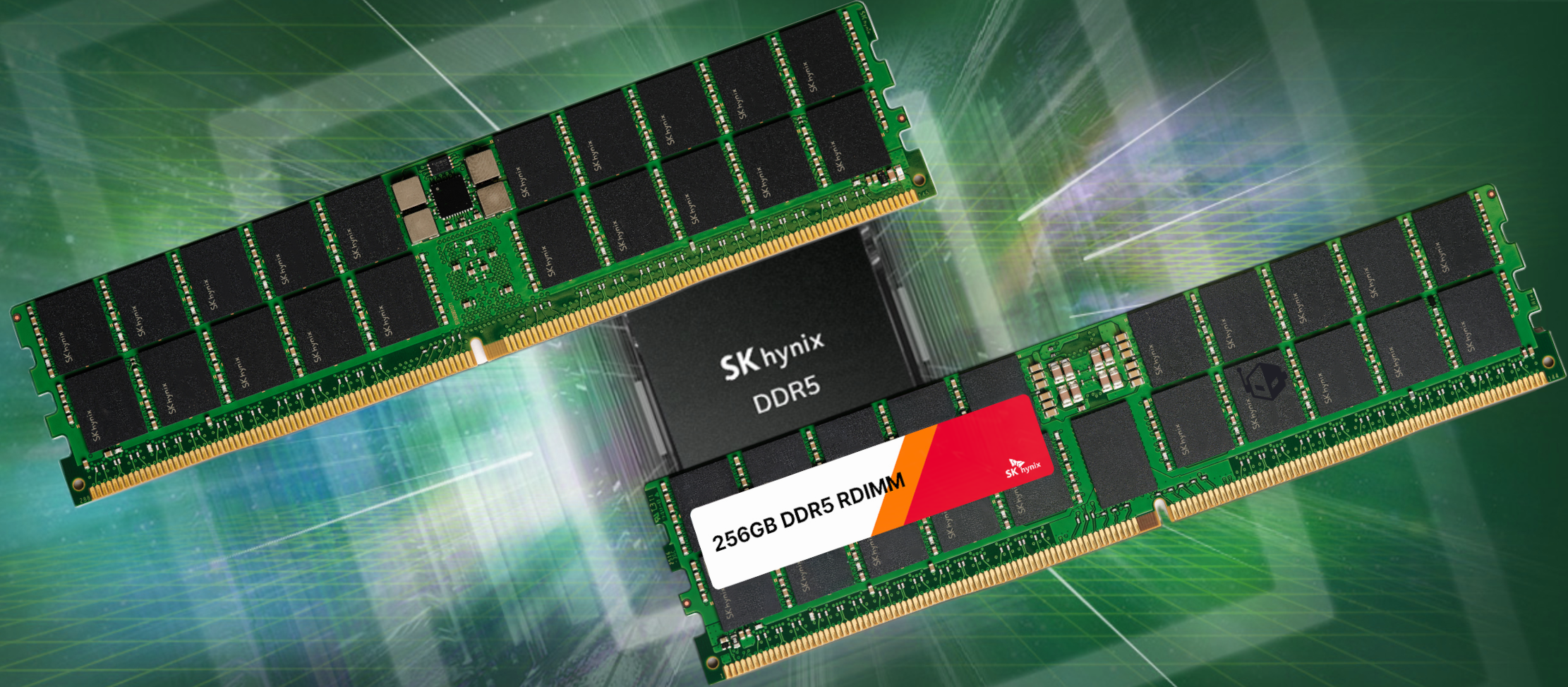
Advanced Packaging and Manufacturing Set the Real Release Schedule
SK hynix notes that new production facilities and expanded advanced packaging capability are part of its plan, but storage-industry capacity cannot be added quickly in the short term. Products represented by HBM depend on stricter manufacturing requirements and are constrained by packaging equipment, line construction cycles, and talent reserves. The practical consequence for buyers is a lag: capacity decisions may be visible early, while qualified output arrives later.
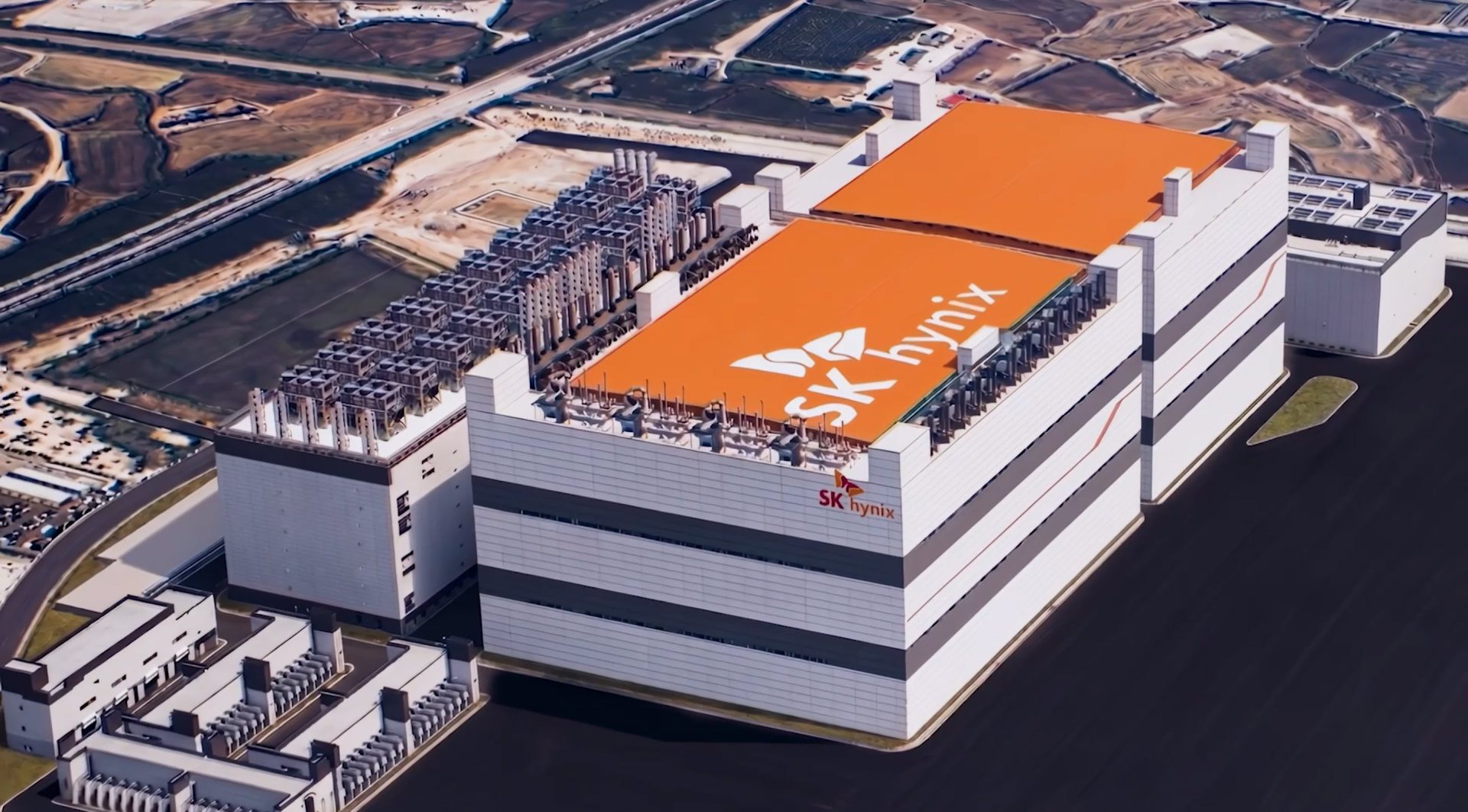
The 2030 Demand Picture: AI Platforms Are Still Scaling
For the period before 2030, AI infrastructure investment is expected to remain fast-moving. Large technology companies, cloud-service providers, and sovereign AI projects continue to raise spending on high-performance computing platforms. Compared with traditional servers, these platforms require more HBM and premium DRAM, so AI data-center expansion changes both the volume and the quality of memory demand.
From HBM3 to HBM4: More Memory per Accelerator
The demand pressure is also structural within each computing platform. As AI model size expands, the HBM capacity attached to each GPU rises. From HBM3 and HBM3E toward HBM4 and later products, a single AI accelerator consumes more memory resources. That trend deepens the supply-demand gap even when platform unit growth is not the only factor.
Supply Response Without Immediate Relief
SK hynix says it is responding by expanding advanced packaging lines, building new chip plants, and raising production efficiency. Yet the company acknowledges that even if leading firms increase investment, a rapidly rising demand curve makes it difficult for supply to catch up quickly. The market can therefore remain tight during the ramp-up phase, not only during the initial shortage.
Partner Ecosystem and Competitive Pressure
SK hynix remains a leading HBM supplier and has become an important partner for AI chip makers such as Nvidia. As major technology companies race to build AI data centers, the contest for advanced memory is expected to intensify over the coming years. This competition is less about product advertising than about securing the constrained steps that allow memory to reach accelerator platforms.
What This Means for Industrial Procurement and Program Planning
For industrial buyers, the article's signal is to treat HBM, high-end DRAM, and packaging capacity as timing-sensitive inputs. Product roadmaps that depend on AI accelerators may encounter component availability questions before design questions appear. Program managers should align forecasts with long build-out periods and should not assume that announced future capacity automatically becomes available supply at the moment of production need.
Common Misreadings
- Viewing HBM tightness as only a chipmaker supply issue, instead of a chain that includes packaging equipment, construction cycles, and qualified people.
- Assuming all server memory can be swapped easily, when HBM and high-end DRAM address higher-performance roles than traditional server memory.
- Reading capacity expansion plans as immediate deliverable supply, while ignoring the time needed for process maturity and line ramp-up.
Case Lens: The Nvidia Relationship as a Demand Signal
The Nvidia example helps industrial readers understand the demand side through a named partnership mentioned in the source. AI chip platforms need memory supply aligned with their accelerator generations, and the reference to SK hynix as an important partner shows that HBM has become a central element in AI infrastructure competition. The example is useful not as a promotional point, but as a market signal about where bottlenecks are forming.
Action Suggestions
- Identify which parts of the AI hardware roadmap depend on HBM, high-end DRAM, or advanced packaging capacity.
- Separate expansion announcements from actual capacity release when building procurement scenarios.
- Review dependence on a single memory generation and its transition path across HBM3, HBM3E, and HBM4.
- Set planning assumptions for a tight supply environment through the pre-2030 AI infrastructure cycle.
- Track signals from major technology builders, cloud-service providers, and sovereign AI projects as indicators of sustained demand.
FAQ
Why does HBM capacity grow slowly?
Because HBM production is constrained by advanced process requirements, packaging equipment, line construction cycles, and talent reserves. These factors slow the conversion of investment into usable output.
Why is AI infrastructure demand expected to remain strong before 2030?
Large technology firms, cloud providers, and sovereign AI projects are increasing investment in high-performance computing platforms, and those platforms use more HBM and premium DRAM than traditional servers.
Does GPU scaling affect memory demand independently of data-center count?
Yes. As AI models expand, each GPU can require more HBM capacity, so memory demand can grow even if the number of platforms is not the only growth driver.
Will new investment by SK hynix quickly ease shortages?
The source indicates that SK hynix is increasing supply through packaging, plant, and efficiency actions, but tightness may persist because demand can outrun the pace at which new capacity is released.
Why should industrial managers care about HBM and DRAM?
Because AI infrastructure growth can affect procurement timing, product planning, and supply-chain risk for systems that depend on high-performance memory and accelerator platforms.
Bottom Line
If the AI sector continues along its present growth path, HBM, advanced DRAM, and the packaging capacity around them will remain key pressure points in the global semiconductor supply chain. The central message is timing: supply response is real, but it moves through equipment, construction, process, and people constraints. For industrial decision-makers, the more useful conclusion is to plan around a prolonged tightness through 2030, not to wait for a short-term supply release to erase the bottleneck.