
WorldIndustrialWeekly General: MTC's Vipra XP AM at NCAM and the Industrial Case for Large-Format DED-Arc
For WorldIndustrialWeekly General readers tracking advanced manufacturing, the Manufacturing Technology Centre installation of Vipra XP AM at the National Centre for Additive Manufacturing is best read as a qualification signal, not merely an equipment purchase: it widens how large-format metal DED-Arc projects can be studied, proven and taken into aerospace, defence and energy programmes.
Case snapshot: Caracol, MTC and NCAM
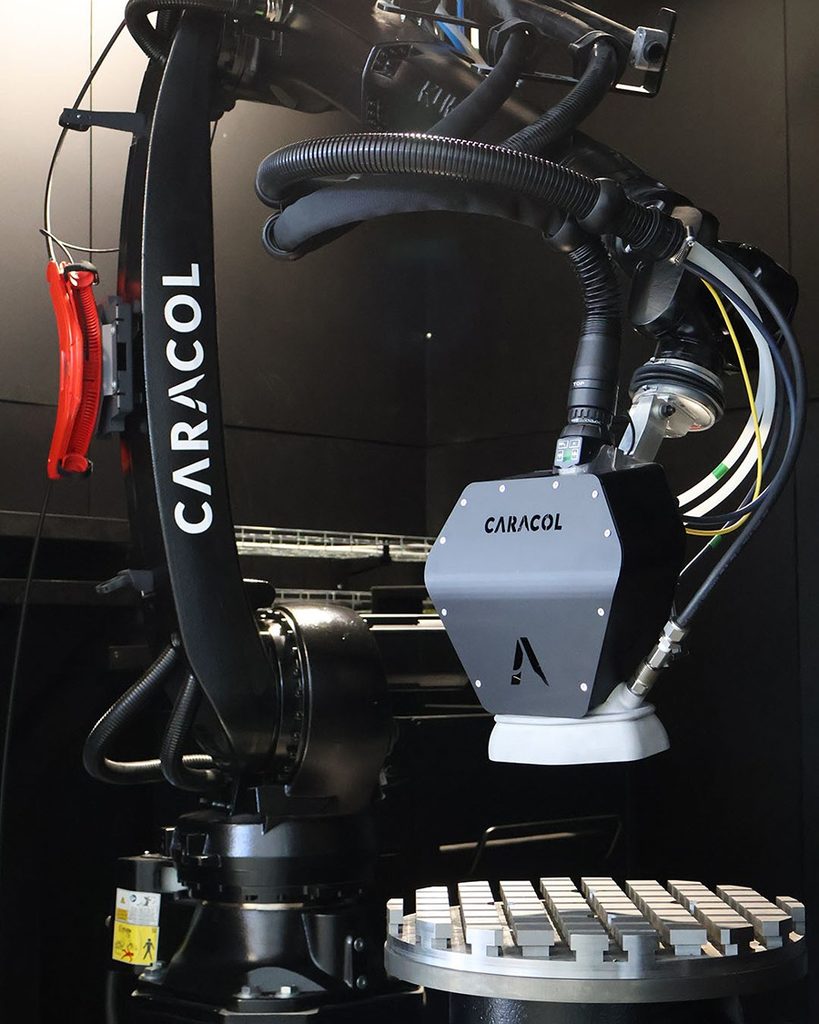
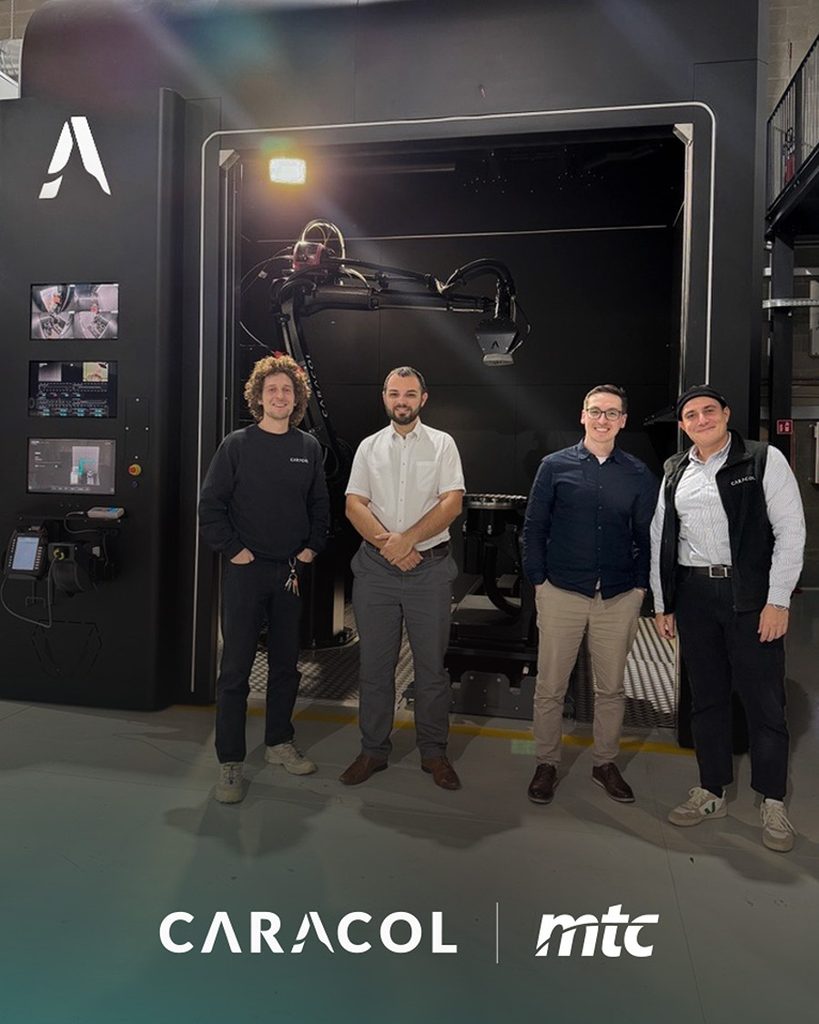
The Manufacturing Technology Centre chose Caracol’s Vipra XP AM, a robotic arc based directed energy deposition (DED-Arc) platform, to deepen DED capability inside NCAM. The stated aim is to enlarge research, development and qualification capacity for large metal parts, especially where size, material behaviour and output flexibility determine project viability.
The High Value Manufacturing Catapult network was established by and works in partnership with Innovate UK; within that structure, MTC links industrial and academic partners so advanced manufacturing can move toward industrial-scale use in the UK.
Its member and customer mix reaches aerospace, defence, automotive, rail, construction and energy, and includes both global multinationals and specialist SMEs.
Reference data: capability, host environment and process visibility
| Signal | What industrial teams can infer |
|---|---|
| Selected platform: Caracol Vipra XP AM | A robotic DED path aimed at large-format metal work, with processing capability across a broad alloy range. |
| Host environment: National Centre for Additive Manufacturing | NCAM gains wider capacity for research, development and qualification across a broad industrial base. |
| Ecosystem: High Value Manufacturing Catapult network | The setting connects MTC, Innovate UK and industrial partners, favouring practical scale-up over isolated demonstration. |
| Software layer: Eidos Manufacturing | A proprietary software suite from Caracol gives the platform a data and process control backbone. |
| Sensing layer: broad sensor suite | Route design, process tuning, live monitoring and visualised data together support application development and qualification. |
Where the technology shifts practice
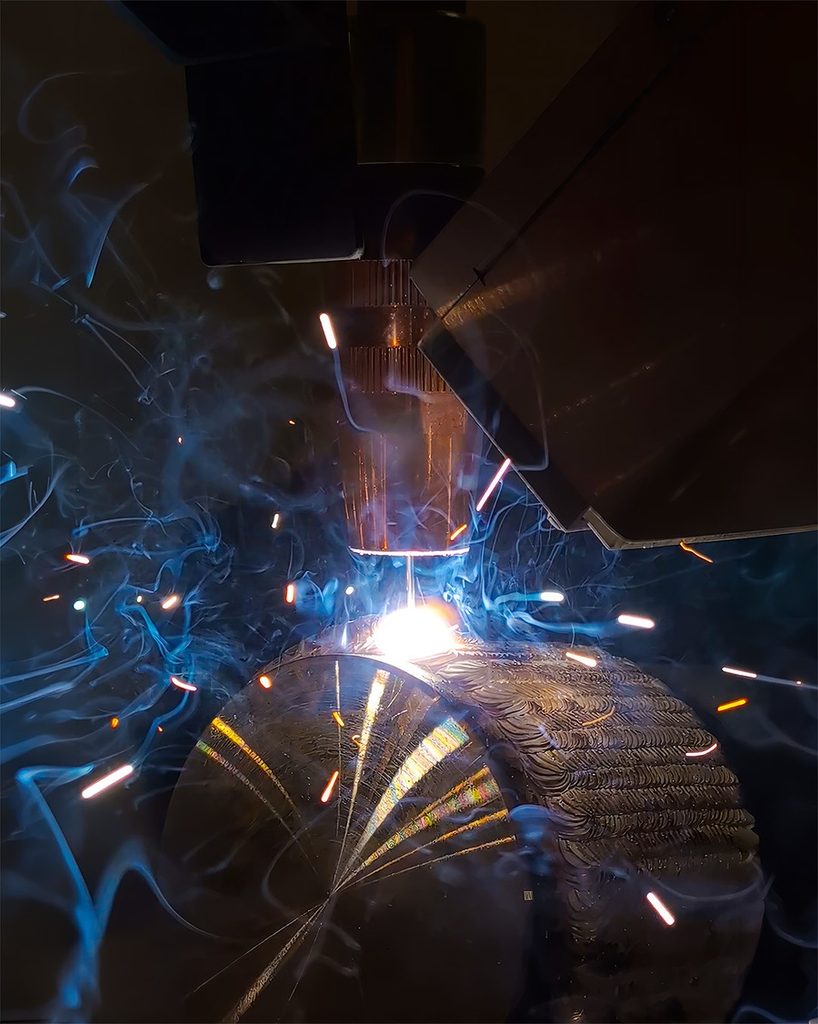
As a robotic DED system, Caracol’s Vipra XP AM is positioned for large-format metal parts and a wide alloy range. The platform relies on Eidos Manufacturing, a proprietary software suite from Caracol.
MTC’s research team can manage the workflow end to end, using a broad sensor suite to cover toolpath generation, parameter adjustment, in-process monitoring and data visualisation in development and qualification tasks.
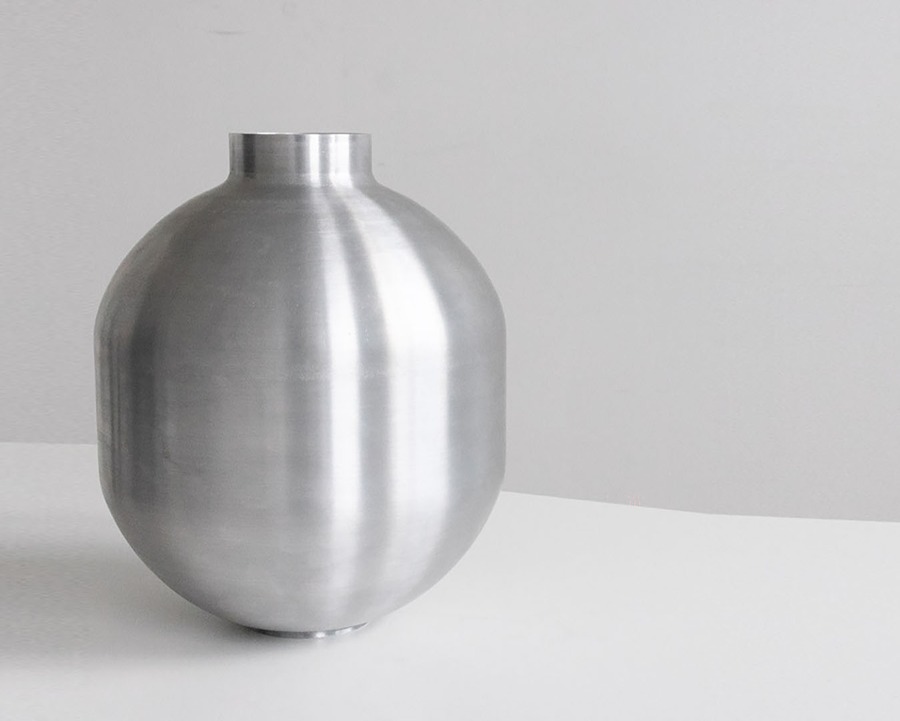
The two organisations have begun joint work on high-complexity industrial components; in that setting, Vipra AM is presented as delivering shape flexibility and metal performance that conventional processes cannot match at comparable scale.
Common misconceptions in large-format metal DED-Arc
| Misconception | Evidence-aligned view |
|---|---|
| Large-format metal DED-Arc is only for prototype exploration. | The platform is tied to research and qualification for large metal parts in demanding sectors, not just early experimentation. |
| Machine capability alone proves production readiness. | Application-led research, qualification infrastructure and an industrial network are also required; MTC is cited as a key partner for those elements. |
| Geometric freedom is the main benefit. | Material performance matters alongside geometry, especially when conventional metal processes cannot reach the needed scale. |
Action recommendations for managers, engineers and supply chains
- Map requirements against the three decision drivers highlighted by this installation: part size, material performance and production flexibility.
- Require evidence of alloy range, software support and end-to-end process visibility before committing DED-Arc work to long development cycles.
- Use NCAM-style collaboration to connect equipment access with qualification data, because production-proven deployments in aerospace, defence and other demanding sectors depend on disciplined application development.
- Treat Caracol’s progression from early-stage application work into proven deployment as a sign that large-format metal AM is entering more mature industrial evaluation.
FAQ
What did MTC add at NCAM?
It selected Caracol’s Vipra XP AM DED-Arc platform to strengthen DED capability within the National Centre for Additive Manufacturing.
Why does this matter beyond additive manufacturing?
It gives UK industry wider capacity to research, qualify and deploy large metal parts where size, material properties and flexible production paths are central to programme decisions.
Is the announcement only about hardware?
No. The platform is supported by Eidos Manufacturing and a broad sensor suite that gives data control from setup through monitoring and visualisation.
What is the role of the two organisations?
They are collaborating on high-complexity industrial components, while Vipra AM is described as enabling shape flexibility and metal performance that conventional processes cannot match at this scale.
From a WorldIndustrialWeekly perspective, the more important takeaway is that large-format metal AM progress now depends on pairing robotic deposition systems with application-led research, qualification infrastructure and an industrial network; on that dimension, MTC’s environment is central to Caracol’s continued expansion of Vipra AM.