
WorldIndustrialWeekly General Desk: 10 Hidden Lubrication Misconceptions That Raise Rotating-Equipment Risk
Machine histories in plant operations frequently contain the same familiar events: a bearing gives out, a motor grows hot enough to stop, output pauses, and moisture travels where it should not. What those events often have in common is that they were preventable and that the first readable evidence appeared inside the fluid film. This General Desk review treats lubrication choices as risk controls for managers, planners, engineers, and procurement personnel, using the 10 misconceptions below as a practical audit.
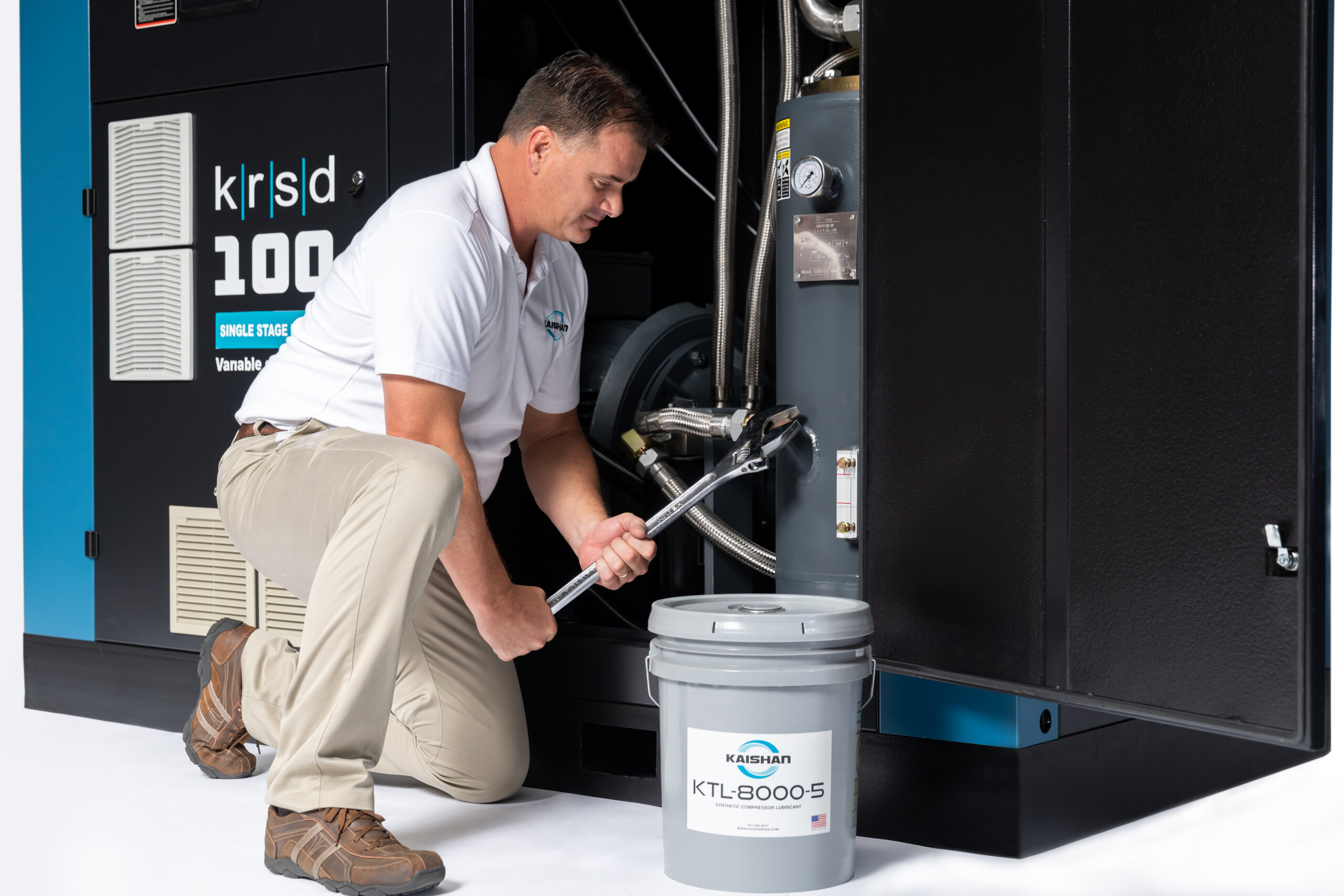 Courtesy: Kaishan USA
Reading the film instead of waiting for the fault
In pumps, gearboxes, motors, fans, conveyors, and rotary screw air compressors, oil is not only a friction reducer. It can separate clearances, move heat, limit corrosion, hold particles in suspension, and support bearings. Lose one of those jobs and the machine can lose its safety margin. A well-maintained film can keep equipment running for years. A neglected film can make failure less a question of whether and more a question of when.
The rule remains simple: correct lubricant, correct amount, correct interval, no contamination. The real value appears when those four controls are used as condition data, not just as maintenance chores.
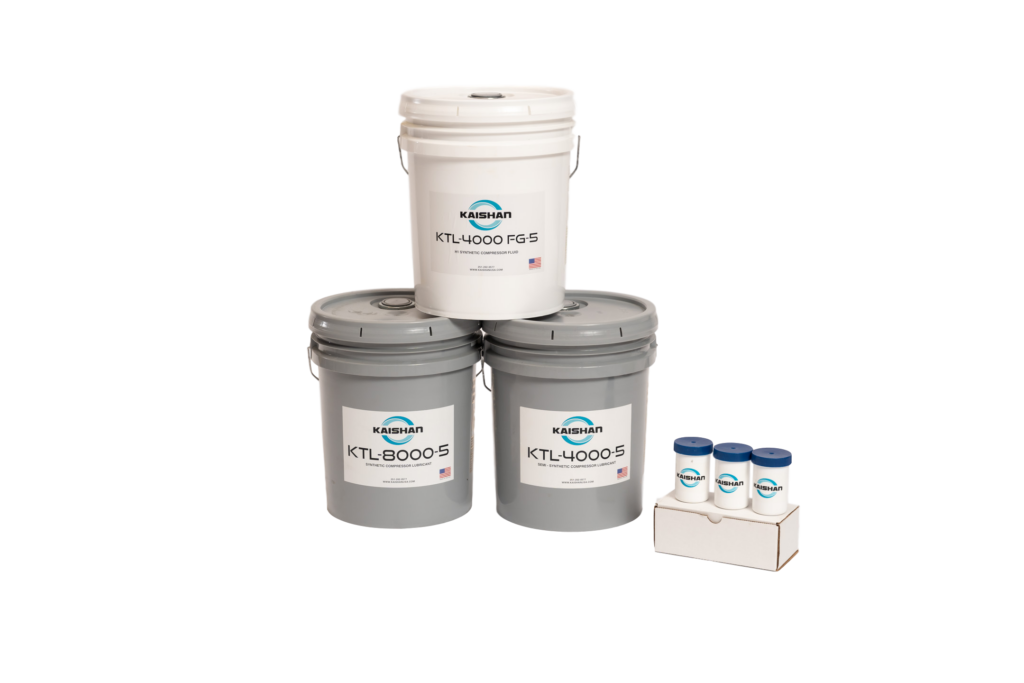 Figure 1: Strong teams no longer see lubrication as a scheduled chore. They use it as a predictive maintenance tool. Courtesy: Kaishan USA
Case signal: when oil savings become capital events
The financial shape of a lubrication decision is often lopsided. A plant can save $100 on oil today and damage an airend tomorrow, forcing a $20,000 repair. The opposite outcome also exists: some compressors have exceeded 80,000 operating hours on their original airend because lubrication was properly managed. That comparison frames lubrication as an asset protection strategy rather than a commodity purchase.
Myth check 1: “A little bit of dirt won’t hurt anything.”
Dirt, water, metal fines, and even a dusty funnel during an oil change can sharply reduce the useful life of an otherwise good fluid. In many early failures, the root issue is cleanliness, not lubricant quality. Clean funnels, clean containers, clean hands, and filtered transfers are therefore reliability controls, not housekeeping details.
Myth check 2: “If it’s not running hot, that’s a good thing.”
Lubricants function inside a defined temperature band. Equipment that runs under continuous very light load may never get hot enough to boil moisture out of the oil. Retained moisture encourages oxidation, sludge, acid buildup, and shorter fluid life. If oil temperature rarely reaches the recommended operating level, the condition is already telling the team that the thermal environment is wrong for proper drying.
Myth check 3: “We don’t have time to run an oil analysis.”
When one predictive practice carries more weight than the rest, it is routine oil analysis. A standard sample can expose contamination, viscosity changes, bearing wear, overheating, coolant intrusion, and filtration health before those faults become visible on the shop floor. Interpretation still matters: read the manufacturer’s fluid sample report and know the limits that flag an error. Without that reference, the analysis loses much of its value.
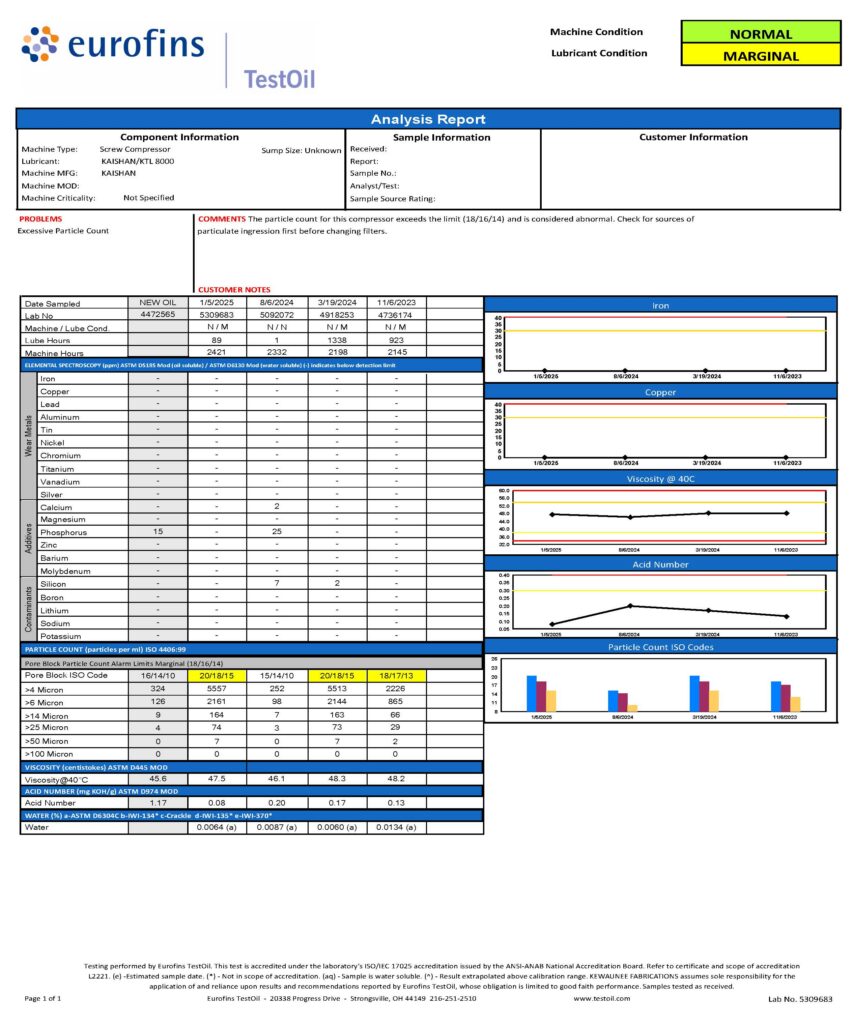 Figure 2: Learning how to interpret oil sample findings is a critical factor in improving the reliability of rotating equipment and can save many headaches. Courtesy: Kaishan USA
Myth check 4: “All oils are the same.”
Viscosity, additive packages, and synthetic versus mineral formulation are not academic details. They translate into bearing life, varnish formation, energy use, and change intervals. Equipment makers spend substantial time and money validating lubricants for their hardware. The right oil almost always costs less than the wrong oil, and the airend example shows how a small purchase can become a large repair.
Myth check 5: “We’ll get to it when we get to it.”
Operating hours are a starting point, not a complete schedule. Ambient conditions, dust, moisture, operating temperature, and duty cycle determine how long oil remains effective. Two compressors with identical load hours can age very differently depending on the air they breathe and the work they perform. Long-life lubrication programs treat hours as one input among several and let oil analysis guide the interval.
Myth check 6: “It’s impossible to put in too much grease.”
Grease is easy to overlook because the action looks simple. Too little grease accelerates wear and shortens bearing life. Too much grease generates heat and forces lubricant into areas where it does not belong. The correct amount of the correct grease on the correct interval beats a heavy-handed repack. If guidance is unclear, ask the bearing manufacturer instead of relying on the strongest grip on the grease gun.
Myth check 7: “My oil will last longer if the compressor doesn’t run as much.”
Fewer loaded hours do not automatically produce longer oil life. A compressor that spends extended periods lightly loaded or in unload may fail to reach the operating temperature needed to drive moisture out. Trapped moisture then speeds oxidation and degradation. Lubricant also ages with time, not only with hours, because oxidation, moisture exposure, and contamination can degrade fluid even in lightly used equipment. This is why manufacturers commonly specify both operating-hour and calendar-based maintenance limits.
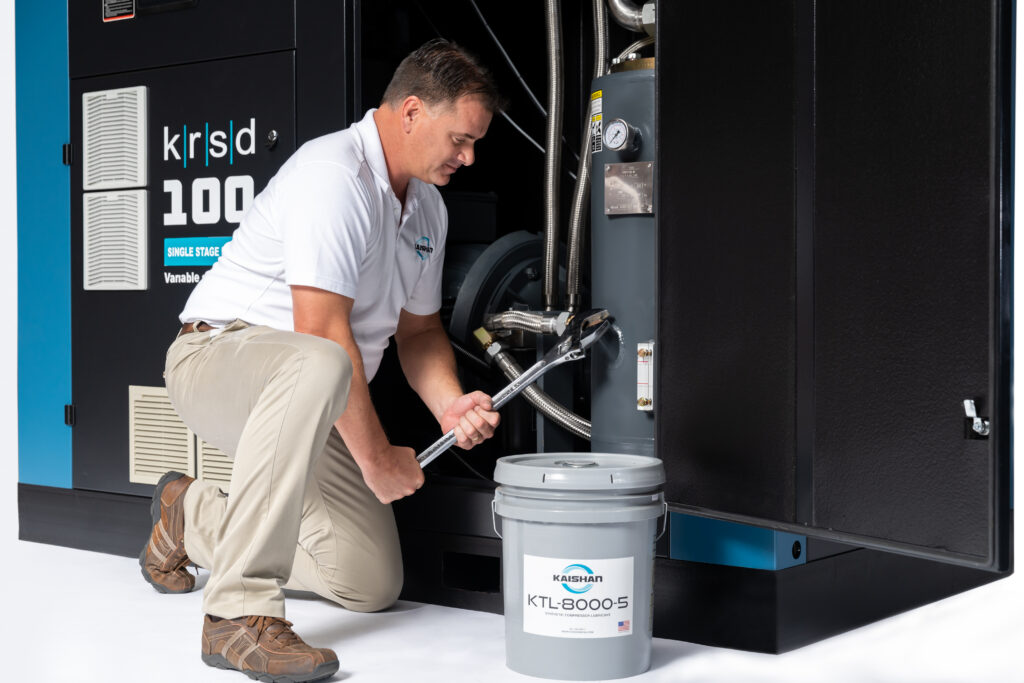 Figure 3: Fewer loaded hours do not automatically mean longer oil life. Follow oil analysis recommendations when setting oil-change intervals. Courtesy: Kaishan USA
Myth check 8: “Oil will last longer with a variable-speed drive (VSD) compressor.”
VSD machines can be extremely efficient where demand changes, but they often spend more time at reduced speed and lighter load. That pattern makes oil condition monitoring more important than simple load-hour tracking. If VSD compressors are in the plant, sampling should be treated as non-negotiable rather than optional.
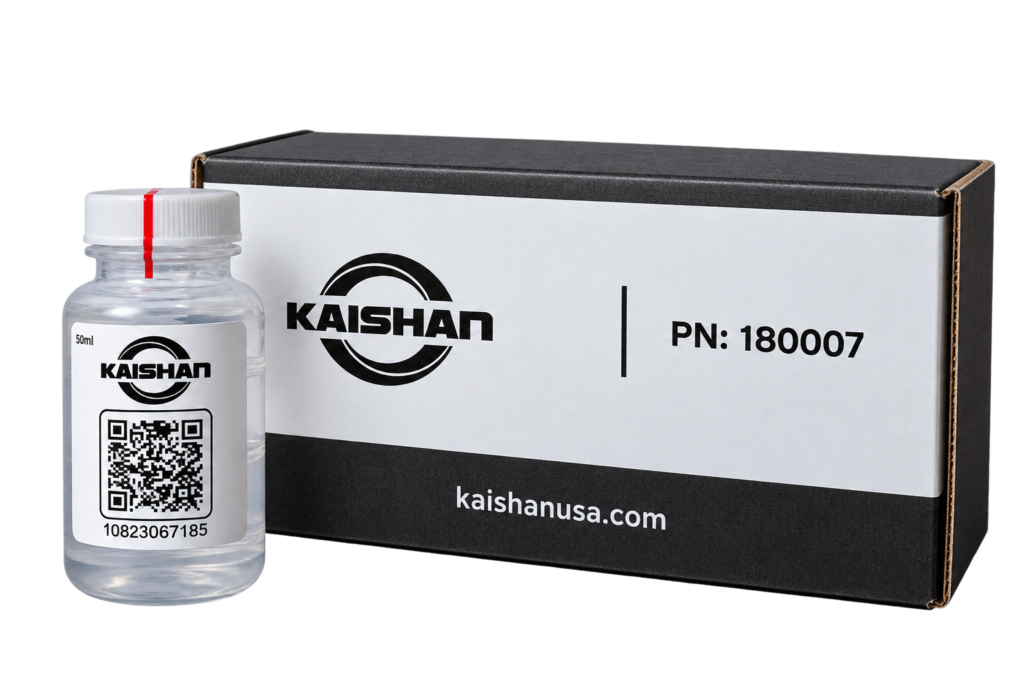 Figure 4: Drawing an oil sample and having it analyzed by an accredited, third-party laboratory is critical to maintaining any piece of rotating equipment. Courtesy: Eurofins TestOil
Myth check 9: “Grease is grease.”
Mixing grease products is a common hidden cause of bearing damage. Different products may use different thickener systems and may not be chemically compatible. The reaction can appear as soft grease purging out of bearings, hard grease starving them, or sludge gumming up the system. Before switching, verify compatibility with the lubricant or bearing manufacturer. If incompatible, follow the recommended purge or cleaning procedure before introducing the new grease.
Myth check 10: “Oil is oil.”
Synthetic lubricants generally outperform mineral oils in compressed air applications, but the suitable answer depends on operating conditions and equipment. The decision belongs to reliability planning, not shelf convenience.
Where mineral oils make sense
Mineral oils are petroleum-based and have served as the industry standard for decades. They are widely available, usually less expensive up front, and can be appropriate in many applications, especially intermittent duty or lower-temperature environments. The trade-off is faster breakdown under heat and pressure, with greater susceptibility to oxidation and varnish formation. For a standard rotary screw compressor under typical conditions, change intervals should be in the range of 2,000 to 4,000 hours with mineral oil.
Where synthetic lubricants make sense
Synthetic lubricants, including polyalphaolefin- (PAO) and polyalkylene glycol (PAG) based formulations, are engineered to resist thermal breakdown, oxidation, and varnish deposit formation. They hold viscosity more consistently across temperature ranges, protect better during cold starts, and last significantly longer between changes. Many synthetics carry manufacturer-recommended intervals of 6,000 to 8,000 hours or more, which can mean fewer shutdowns and lower maintenance costs over time. For high-duty-cycle operations, continuous-run facilities, or elevated ambient temperatures, synthetics often make more sense from a total cost of ownership perspective.
Switching fluids is a contamination-control step
Compatibility cannot be assumed when moving from mineral oil to synthetic oil or from one synthetic base stock to another. Different base stocks and additive systems may not be compatible. PAG-based formulations require careful compatibility verification before being mixed with other lubricant types. Mixing the wrong products can cause additive reactions, sludge formation, and accelerated wear. Consult the compressor manufacturer’s guidelines and flush the system properly before introducing a new lubricant type.
Action checklist for plant teams
- Treat oil condition as an equipment health record, not paperwork.
- Make cleanliness a required step in every transfer, top-up, and drain operation.
- Use oil analysis to validate intervals, especially where dust, moisture, light load, or VSD operation changes the duty.
- Confirm the manufacturer’s fluid limits and interpretation criteria before acting on a report.
- Control grease quantity through bearing guidance, not habit or excess.
- Verify compatibility before changing grease or oil products.
- Review ambient conditions, duty cycle, operating temperature, and load hours together.
- Document fluid choice, quantity, interval, and contamination controls as part of asset strategy.
FAQ for decision-makers
What single practice gives the most visibility into lubricant condition?
Routine oil analysis. It provides visibility into contamination, viscosity changes, bearing wear, overheating, coolant intrusion, and filtration health before issues appear on the shop floor.
Should operating hours determine change intervals by themselves?
No. Load hours are a starting point. Ambient conditions, dust, moisture, operating temperature, and duty cycle influence lubricant life, so oil analysis should guide the interval.
Is over-greasing safer than under-greasing?
Neither is safe. Too little grease accelerates wear and shortens bearing life. Too much grease generates heat and forces grease into areas where it does not belong.
When are mineral oils more appropriate?
Mineral oils may work in intermittent duty or lower-temperature environments. For a standard rotary screw compressor under typical conditions, change intervals should be in the range of 2,000 to 4,000 hours with mineral oil.
When are synthetics likely to provide better value?
Synthetic lubricants often fit high-duty-cycle operations, continuous-run facilities, or elevated ambient temperatures. Many synthetics carry manufacturer-recommended intervals of 6,000 to 8,000 hours or more.
What must be verified before changing lubricants?
Confirm compatibility with the lubricant or bearing manufacturer, follow purge or cleaning steps when required, and consult equipment guidelines before switching products.
Final reading: cover the asset, not just the interval
Lubrication is not about changing oil. It is about protecting assets. Every rotating machine depends on a thin film separating costly metal components. Maintained correctly, that film supports longer life, better efficiency, and fewer unexpected failures. Neglected, it allows the failure clock to start counting down.
Right lubricant, right amount, right interval, and no contamination may not look like glamorous work. Yet it remains one of the most powerful predictors of equipment reliability. The fluid tells the story early; plants that listen can reduce failures, lower costs, and keep production more dependable.
Site note
Prepared by Michael Torres for Industrial Weekly and WorldIndustrialWeekly. Editorial contact: news@industrialweekly.com.