
WorldIndustrialWeekly General: Fujifilm Targets About Fivefold LTO-10 Tape Capacity in Odawara, Japan, for Fiscal 2026 to Fiscal 2028
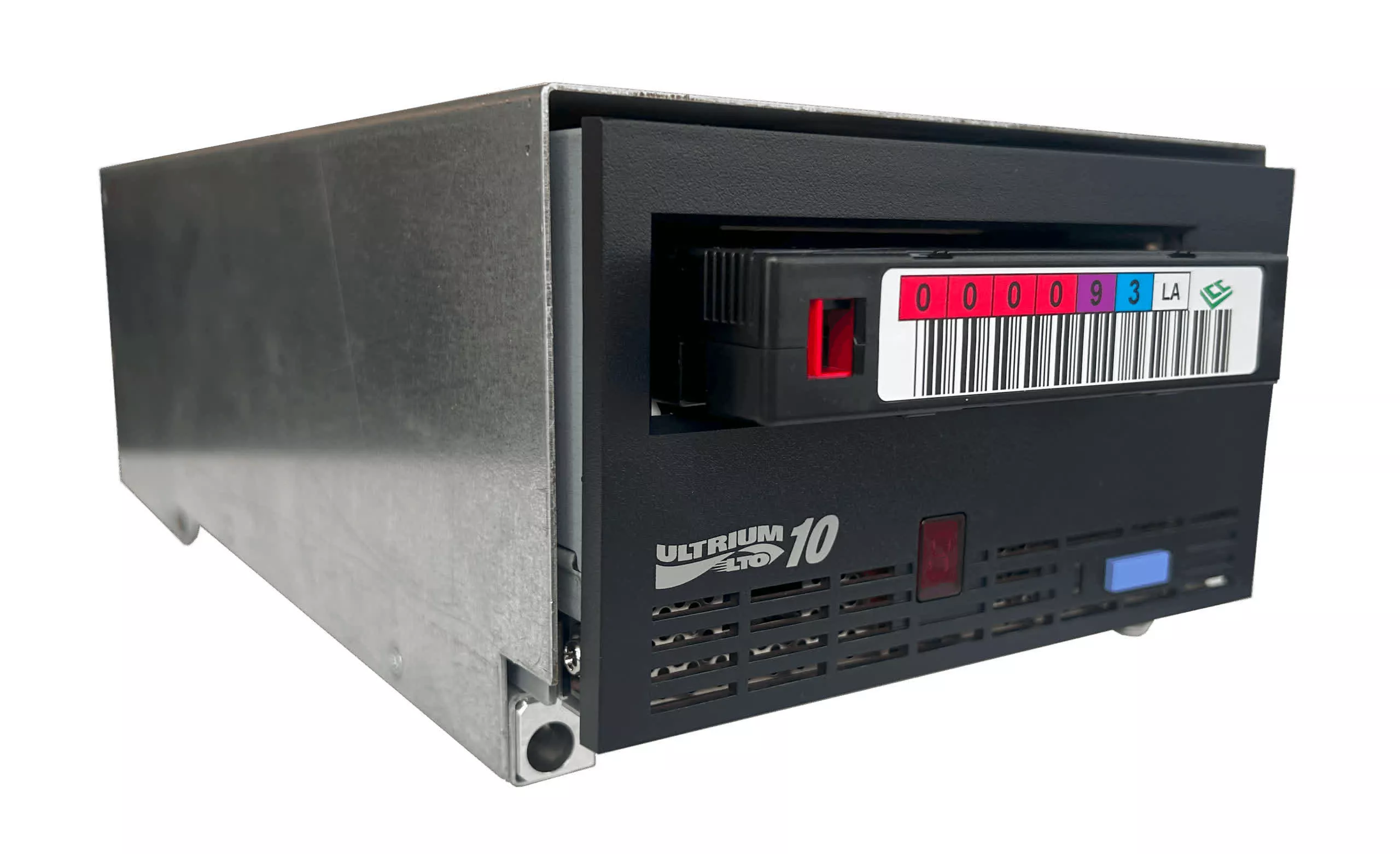
The renewed value of tape storage is now becoming a factory-level planning issue rather than a niche archival debate. As cloud-computing providers, data-center operators and enterprise customers seek durable capacity for AI-generated datasets, Fujifilm has planned an expansion of its production scale in Odawara City, Kanagawa Prefecture, Japan; once completed, the relevant LTO-10 capacity is expected to reach about fivefold the current level across fiscal 2026 to fiscal 2028. This medium, which has decades of history, is being pulled back into industrial infrastructure discussions.
Industry Background: AI Data Growth Reopens the Archive Cost Question
In recent years, the spread of generative artificial intelligence has expanded the volume of data created by model training and inference. High-performance solid-state drives and hard-disk systems still carry processing workloads, but the plan and surrounding industry commentary emphasize long-term retention scenarios. In those scenarios, tape is described as having lower unit storage cost, lower energy use and suitability for long-term archiving, which is why it has drawn renewed attention from the technology industry.
The focus of the expansion is the newest generation, LTO-10. The article notes that LTO technology is a mainstream tape storage standard, first developed through joint efforts by IBM, HPE and Quantum to give enterprises a unified and open solution for data archiving.
Case and Data Citations: What the Plan Establishes for Storage Planners
The clearest case described in the article is not a single product sale, but a manufacturing response to demand from cloud-computing providers, data-center operators and enterprise customers. The key figures are deliberately narrow: they locate the decision, the timing, the capacity change and the tape specifications that support it.
- Site and timing: Fujifilm plans to enlarge production in Odawara City, Kanagawa Prefecture, Japan during fiscal 2026 to fiscal 2028.
- Scale: related capacity is expected to rise to about fivefold the current level.
- Product: LTO-10 is the latest-generation tape at the center of the expansion.
- Capacity: one LTO-10 cartridge has 40TB native capacity; with data compression, the maximum stored capacity is 100TB.
- Throughput: LTO-10 data transfer speed is 400MB per second.
- Standard origin: LTO technology was initially advanced by IBM, HPE and Quantum.
- Future path: industry roadmap indicates LTO-11 is expected to raise storage density and per-cartridge capacity.
These numbers also explain the positioning of the medium. The 400MB per second transfer rate is not presented as a rival to modern solid-state devices; it is presented as sufficient for backup and cold-data archive workloads.
Implementation Path: Moving From Data Growth to Tape-Ready Infrastructure
For readers responsible for capacity planning, the article suggests a sequence. First, identify datasets generated by AI training and inference that must be retained over the long term. Second, separate workloads that need high-speed processing from workloads suited to backup and cold-data archiving, because LTO-10’s performance profile is aimed at the latter. Third, evaluate total cost using unit storage cost, energy use and reliability rather than peak transfer speed alone. Fourth, place offline copies into the security design, because tape can be fully disconnected from networks. Fifth, track the next step in the roadmap, LTO-11, before committing to multi-year archive capacity assumptions.
Common Misconceptions and Constraints
A frequent misunderstanding is to treat tape as obsolete because it cannot compete with modern solid-state devices. The article’s own comparison does not support that conclusion: LTO-10’s 400MB per second transfer speed may be modest beside flash-based systems, but it is positioned as enough for backup and cold-data archive. Another misconception is to view the medium only as a cost line. The plan and commentary also connect it to network security: physical isolation can lower the data-loss risk created by ransomware and other attacks. For this reason, tape remains important in financial institutions, research organizations and large cloud-computing providers.
The constraint is equally clear. The expansion is driven by long-term storage economics and risk reduction, not by an attempt to make tape the fastest layer in an AI data center. The industry view cited in the article is that AI model scale and rapidly growing storage demand are prompting companies to reassess long-term cost across storage options.
Action Recommendations for Industrial Technology Decision-Makers
- Reassess archive budgets with a multi-year lens: ask which AI datasets are low-access but high-retention, then apply tape’s lower unit storage cost and lower energy profile as a comparator.
- Map cold data to a defined workload boundary: LTO-10 is treated as a backup and archive option with 40TB native and 100TB compressed capacity, so it should not be forced into performance-critical paths.
- Build offline isolation into cyber-resilience planning: where ransomware exposure matters, use tape’s physical separation as a risk-reduction control.
- Align procurement with capacity roadmaps: note the Fujifilm Odawara expansion from fiscal 2026 to fiscal 2028 and the expected shift to LTO-11 density and capacity.
- Treat supply signals as infrastructure intelligence: a roughly fivefold capacity plan for LTO-10-related output indicates that tape is becoming a recurring data-center foundation item again.
FAQ
Why is tape storage receiving attention again?
Because generative artificial intelligence is increasing data volumes, while tape provides low unit storage cost, low energy use, long-term archival capability and offline isolation.
What exactly is Fujifilm planning?
Fujifilm plans to expand production scale at a facility in Odawara City, Kanagawa Prefecture, Japan across fiscal 2026 to fiscal 2028, with related capacity expected to reach about fivefold the current level.
What are the stated LTO-10 specifications?
Each LTO-10 cartridge is described as having 40TB native capacity, up to 100TB with compression and a 400MB per second transfer speed.
What comes after LTO-10?
In the coming years, the roadmap points to LTO-11, which is expected to further increase storage density and single-cartridge capacity.
On the surface, artificial intelligence appears to reward GPUs, data centers and high-performance servers. Yet the same wave has revived a storage technology with decades of history: under continued global data growth, tape is moving from a marginal legacy role back toward a new golden period.