
CXMT Q3 2026 Earnings and Sixth-Generation DRAM Validation: A Storage Signal for Industrial Teams
ChangXin Memory Technologies (CXMT) reported in its 2026 third-quarter financial report that revenue for the third quarter (July-September) was about CNY 118.714 billion, up about 19.30% from the previous quarter, while net profit was about CNY 88.983 billion, up about 19.38% from the previous quarter.
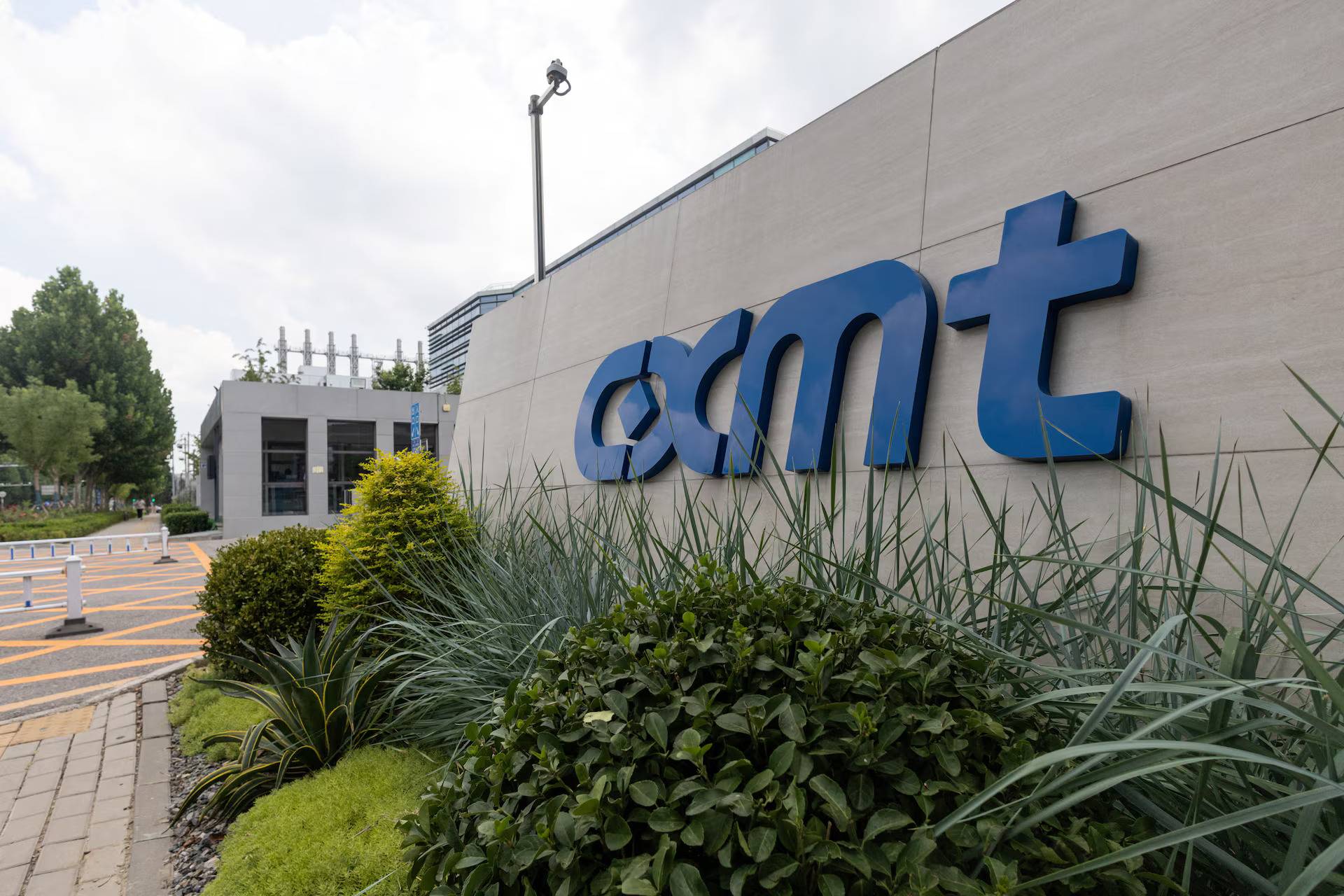
Financial data points to a stronger production-platform push
For industrial readers, the Q3 result matters because it connects earnings momentum with the company’s memory technology roadmap. The same report states that CXMT’s DRAM product developed on the sixth-generation technology platform has completed engineering sample validation, a milestone that moves the product closer to mass production after customer-side confirmation.
Technical milestones cluster across the quarter
CXMT disclosed a sequence of technical and production updates:
- In August, the company announced global mass production of LPDDR6, its latest low-power memory.
- In September, the company moved the fifth-generation technology platform, referred to as G5, into mass production.
- Recently, the company reported key progress in the 4F² architecture.
These actions were supported by a high R&D investment: CXMT’s R&D spending in the first three quarters of 2026 reached CNY 11.071 billion, a 73.03% increase from the same period last year.
Why sixth-generation DRAM validation matters before mass production
The sixth-generation DRAM milestone should be read as a readiness signal, not as completed commercial supply. According to the report, completed engineering sample validation means the company has finished internal technical verification and early customer evaluation. The next required stage is customer validation at key customers; after that stage is completed, the product can enter batch production and shipment.
Implications for procurement and engineering decisions
This status is useful for managers who need to watch supplier qualification paths: the technical path is moving forward, but the timing of volume availability remains tied to customer validation and shipping readiness.
Case: LPDDR6 and the edge-AI storage requirement
The report uses smartphone flagship deployment as the clearest product case. At the end of August, CXMT announced that LPDDR6 had achieved global mass production and had been initially used in mainstream flagship smartphone models. The company said the chip’s peak speed reaches 12800Mbps, that bandwidth is 60% higher than the previous-generation LPDDR5X product, and that power consumption is reduced by 20%.
For edge-AI devices, the case illustrates why memory performance becomes part of system design: higher bandwidth and lower power are not just component specifications; they affect how on-device AI workloads can be packaged into commercial hardware.
Common misconceptions
- Misconception 1: Engineering sample validation already means mass shipment. The report states that customer validation must still be completed at key customers before batch production and shipment can begin.
- Misconception 2: Quarterly growth alone proves that supply constraints are solved. The disclosed facts show company revenue and profit growth, plus technical progress; they do not by themselves confirm the availability schedule for downstream customers.
- Misconception 3: R&D spending automatically shortens qualification time. The 73.03% year-over-year increase in first-three-quarter R&D spending indicates investment intensity, but product availability still depends on the validation path described in the report.
Action recommendations
- Track the validation sequence. Follow whether the sixth-generation DRAM moves from engineering sample validation to key-customer validation and then to batch production and shipment.
- Use the disclosed LPDDR6 metrics as a comparison baseline. When assessing edge-AI memory options, compare candidate components against the stated 12800Mbps peak speed, 60% bandwidth increase over LPDDR5X, and 20% power reduction.
- Monitor R&D intensity as a roadmap signal. CXMT’s CNY 11.071 billion R&D spending in the first three quarters of 2026 and 73.03% increase from the same period last year suggest continued pressure to advance low-power and next-generation DRAM platforms.
FAQ
What were CXMT’s reported Q3 2026 financial results?
The report says third-quarter (July-September) revenue was about CNY 118.714 billion, up about 19.30% from the previous quarter, and net profit was about CNY 88.983 billion, up about 19.38% from the previous quarter.
What has CXMT completed for sixth-generation DRAM?
It has completed engineering sample validation for a DRAM product developed on the sixth-generation technology platform. This indicates internal technical verification and early customer evaluation are done, while key-customer validation remains the next step toward batch production and shipment.
What technical milestones were disclosed alongside the earnings update?
The disclosures include August global mass production of LPDDR6, September mass production of the fifth-generation G5 platform, recent key progress in the 4F² architecture, and R&D spending of CNY 11.071 billion in the first three quarters of 2026, a 73.03% increase from the same period last year.