
Boeing's 737 Max Ramp Faces Wing Limits Before the Second Half of 2027 as Investors React to a Slower Path by Year-End
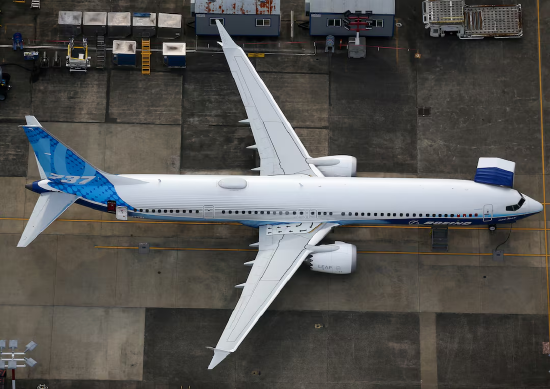
The schedule for raising output of the 737 Max has become a question about wings. On Tuesday, the Boeing Company said it does not expect to significantly increase production of its best-selling aircraft before the second half of 2027. Chief Executive Kelly Ortberg, speaking during the quarterly earnings conference call, set a target of reaching 52 aircraft a month in that period while confirming that current production has been about 47 aircraft a month. Investors treated the slower path as important: Boeing shares fell about 9% during the call.
Wing Output, Not Just Final Assembly, Is Setting the Early-Stage Pace
Ortberg said last month that the time needed to stabilize production would be "slightly longer" than expected because of the speed of wing manufacturing. He repeated that priority on Tuesday, making clear that Boeing's first task is to put the production system into a stable state before pursuing a larger jump.
"I know everyone wants us to move faster, but we have to do things right," Ortberg said Tuesday.
For an aircraft program, that message has operational meaning beyond the headline rate. Deliveries and cash are connected because much of the aircraft price is paid when the customer receives the plane. As a result, the pace at which wings and related production inputs reach the final assembly flow shapes unit output and can influence supplier workload, inventory planning and the perceived credibility of recovery.
Case View: How a Wing Bottleneck Resets a Program's Timeline
The Boeing update is useful as a case because it shows how one constrained component can set the rhythm for an entire line. The company has already delivered aircraft during the third quarter, and the Max family has certification news, but the ramp toward 52 a month is still tied to wing progress. In other words, the visible monthly rate is not enough; the gate is the readiness of the supply and production flow behind it.
| Program signal | What Boeing stated | Why industrial managers track it |
|---|---|---|
| Ramp ceiling | No major increase before the second half of 2027 | Sets supplier, workforce and inventory planning horizon |
| Target rate | 52 aircraft a month in the second half of 2027 | Provides the benchmark for the next step in recovery |
| Current rate | About 47 aircraft a month for the 737 Max | Shows the gap is measured, not symbolic |
| Market reaction | Stock down about 9% during the earnings conference call | Indicates investor sensitivity to stabilization timing |
In a memo to employees, Ortberg added the same theme in different words: "Looking ahead, expectations are rising, and they should rise," he wrote. "That means improving performance in our day-to-day work through lean, productivity and efficiency improvements, while maintaining a high level of safety and quality."
Third-Quarter Results Show a Narrower Loss but Continued Commercial Pressure
Boeing also reported Tuesday that the defense sector helped narrow a net loss in the third quarter. For the three months ended September 30, the company reported a net loss of $116 million, or 26 cents a share. In the same period last year, Boeing recorded a loss of $5.34 billion, or $7.14 a share. After adjusting for one-time items, the latest result was a loss of 34 cents a share. One year ago, the company had taken a charge of nearly $5 billion related to its long-delayed 777X aircraft program.
Revenue increased 4% year over year to $24.19 billion. Free cash flow rose from $238 million in the third quarter of 2025 to $464 million. The defense sector's third-quarter revenue grew 15% to $7.94 billion, showing that defense results helped offset pressure while the commercial ramp remains under management.
| Metric | Result | Expectation |
|---|---|---|
| Adjusted loss per share | 34 cents | 21 cents |
| Revenue | $24.19 billion | $23.84 billion |
The delivery data also tells a mixed story. In the third quarter, Boeing delivered 161 commercial aircraft, one more than in the comparable period last year. Commercial airplane business revenue, however, declined 3% to $10.72 billion, and that business had an operating margin of negative 6.5%. Boeing attributed the weakness to "an unfavorable delivery mix, higher anticipated costs related to future production adjustments and higher anticipated supply chain costs."
Ortberg told employees the manufacturer still has "more work to do," a phrase that captures both the financial result and the production challenge. The commercial airplane business is central to the recovery, so even a delivery number that is one higher than last year can coexist with lower revenue and a negative margin.
Certification Milestones Provide a Separate Support Line
The company can point to recent wins that do not remove the manufacturing constraint but improve the longer-term outlook. The U.S. Navy selected Boeing to develop its next-generation fighter. Last week, the U.S. Federal Aviation Administration approved the 737 Max 10, the largest model in the Max family. The 737 Max 7 had already been approved in August, and that step marked final certification for the aircraft series.
These milestones matter because they address a different gate from the wing-output issue. A program can move through regulatory and customer-selection checkpoints while still being held back by the time needed to make wings and stabilize supply. The result is a split track: certification and demand signals look healthier, while the monthly production path remains conservative.
Common Misconceptions About the 2027 Ramp
- A higher delivery count proves the commercial business is fixed. Boeing delivered 161 commercial aircraft in the third quarter, one more than last year, but commercial airplane business revenue fell 3% to $10.72 billion and the operating margin was negative 6.5%.
- A revised rate target automatically accelerates the line. Ortberg's comments instead pointed to wing production, stabilization time and the phrase "slightly longer," showing that process readiness precedes rate improvement.
- Certification completion converts directly into production speed. The approval of the 737 Max 10 and the August clearance of the 737 Max 7 complete the Max family's certification path, but the company still said it does not expect a major increase before the second half of 2027.
- A stock move measures only earnings. The about 9% decline during the earnings conference call reflected how investors weighed both the quarter and the production timeline.
Action Suggestions for Readers Watching Industrial Ramp Plans
- Plan capacity around the slowest critical component. For Boeing's 737 Max ramp, the stated constraint is wing output, not simply final-assembly willingness.
- Separate rate targets from stabilization windows. The 52-a-month target belongs to the second half of 2027, while current production is about 47 a month.
- Follow cash timing with delivery timing. Much of the aircraft price is paid when customers receive the plane, so output, delivery and recovery are linked.
- Keep lean, productivity and efficiency language tied to safety and quality. Ortberg's employee memo made that connection explicit.
- Expect mixed quarterly signals. Defense revenue can improve the consolidated result while commercial airplane business margins remain negative.
- Use stock reactions as a risk indicator. The about 9% drop shows how sensitive market participants are to slower stabilization and a limited near-term ramp.
Frequently Asked Questions
Will Boeing significantly increase 737 Max output before the second half of 2027?
No. On Tuesday, the Boeing Company said it does not expect to significantly raise output before the second half of 2027, while keeping a target of 52 aircraft a month for that period.
What is the current production rate?
The company has been producing the 737 Max at about 47 aircraft a month.
What is causing the slower ramp expectation?
Wing production is moving more slowly than expected. Ortberg said last month that the time required for production stabilization would be "slightly longer."
How did investors react to the update?
Boeing shares fell about 9% during the quarterly earnings conference call.
Did the third quarter improve from last year?
Yes, but the improvement came with pressure. The company narrowed the net loss to $116 million from $5.34 billion a year earlier, but adjusted loss was 34 cents a share and commercial airplane business revenue declined 3%.
What role did defense play?
The defense sector lifted results in the third quarter, with revenue up 15% to $7.94 billion.
Did certification progress help?
Yes, as a separate line. The U.S. Navy chose Boeing for its next-generation fighter, and the U.S. Federal Aviation Administration approved the 737 Max 10 last week after the 737 Max 7 was approved in August, completing certification for the Max family.
Bottom Line: A Slower 2027 Window Still Defines the 737 Max Ramp
The practical conclusion is not that Boeing's quarter is simply good or simply bad. It is narrower than that. Defense revenue, certification news and a smaller net loss give the company support, while wing production, stabilization timing and commercial airplane business margin keep the recovery disciplined. The Tuesday message says that a major acceleration before the second half of 2027 is not what Boeing expects, and the 52-a-month target is still ahead. For industrial readers, that is the core lesson: a ramp plan is only as reliable as the component and process gates that feed it.