
WorldIndustrialWeekly Industry Analysis: Why Arizona Welcomes Chip Fabs but Resists Desert Data Centers
For companies weighing where to build energy- and water-intensive operations, Arizona has become a case study in tradeoffs: a semiconductor plant drawing millions of gallons daily is often welcomed, while a data center campus promising far fewer permanent jobs can trigger local mobilization. The difference is not simply the amount of water each facility uses. It is how residents perceive the value of that water, how long it stays in the local economy, and how transparently a developer addresses shrinking municipal supplies.
Case One: A Data Center Project Becomes a Water Fight
One evening this August, protesters gathered near a construction site on the edge of Tucson, Arizona, targeting a large data center plan by developer Beale Infrastructure. Their hand-made signs carried a direct warning: the facility would “suck our water dry.” Organizers urged people to hydrate in the remaining heat.
Water is the unavoidable variable in Tucson. The Verge reported that Arizona is dealing with severe drought and that its share of Colorado River water is expected to fall by nearly 30%. Tucson gets about 70% of its water from the Colorado River, and for years the city relied on conservation and groundwater recharge to stretch supplies.
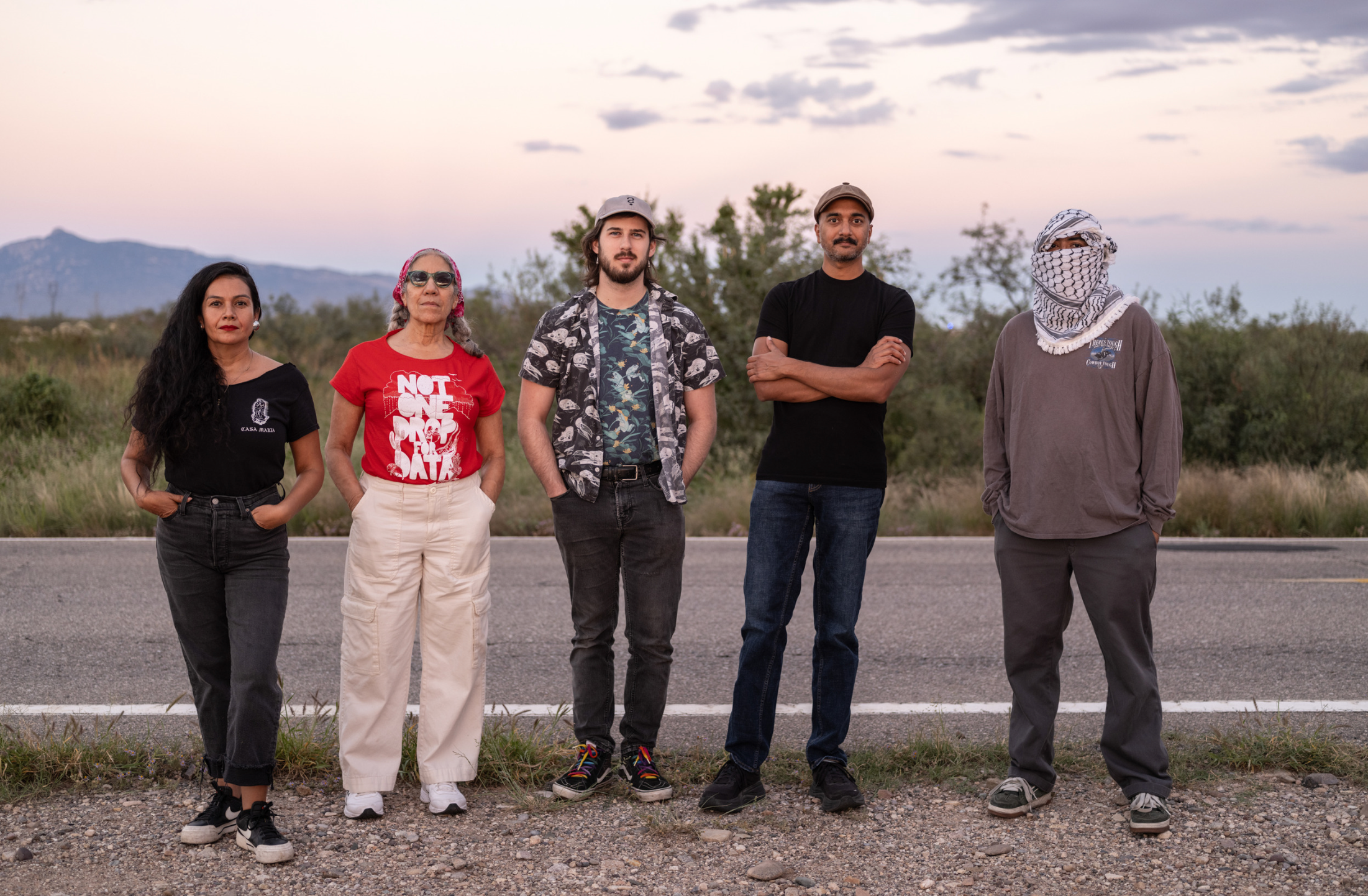
The protest group is the No Desert Data Center Coalition. Its slogan is “Not a single drop of water for data.” The No Desert Data Center Coalition says desert data centers would shift a scarce resource away from households.
The disputed project is called Project Blue. It is planned in Pima County outside Tucson on about 290 acres, with a target capacity of 600 megawatts. Beale Infrastructure pitched it as an economic gift: about 3,000 temporary construction jobs, 200 high-paying positions after opening, and about $152 million in tax revenue over the next decade.
Transparency became part of the dispute from the start. The developer and local government signed a confidentiality agreement, making it difficult for residents to learn which companies were involved and how much water would be needed. Opponents questioned the long-term viability of building a water- and electricity-hungry facility in the Tucson desert.
At a Beale meeting in July 2025, roughly 200 people attended; a second meeting drew more than 1,000 people, and heckling greeted the developer as it began to speak.
Early on, Beale said it would pay for a pipeline of about 18 miles to bring reclaimed water into the supply system. Under that plan, Project Blue would use drinking water until the pipeline was built, then shift to reclaimed water, with surplus directed to underground aquifer recharge. The proposal required Tucson city approval of land and water services. Facing growing opposition, the city did not approve it, so Beale moved to county approval and dropped the pipeline.
Regulators later allowed wells at the site. The project may withdraw up to 31 million gallons of groundwater annually, equal to about 117,000 cubic meters. A Beale spokesperson said that volume is only for construction. Once the data center operates, water use will be limited to restrooms, employee kitchens, and health-and-safety needs.
The developer also changed cooling plans, moving from water cooling to closed-loop air cooling. That shift reportedly caused Amazon’s cloud computing arm AWS to leave the project because such facilities would not meet its requirements; Beale declined to say whether new customers had been found. Opponents still worry that air cooling will increase electricity demand, and that power generation itself can consume water. Beale denies that the air-cooling design will raise total energy use.
Construction has begun, but friction has not stopped. Contractors used municipal fire hydrants for dust control, drawing attention to about 650,000 gallons of drinking water. Local officials then required Beale to provide a corresponding water credit to compensate for that construction use. Beale said its contractor had obtained temporary water authorization through normal procedures.
This September, Pima County’s regulatory board imposed a 120-day pause on approvals for new data center projects. The decision did not stop Project Blue, which is already under way.
Case Two: Marana Shows How Water, Jobs, and Tax Base Collide
Similar arguments are playing out about 20 miles northwest of Tucson in Marana. Beale Infrastructure plans a data center park there covering about 600 acres, partly on land previously used for agriculture. The developer estimates that the project could generate $407 million in taxes over the next decade, with more than one-third going directly to Marana.
Before that proposal advanced, Marana had already acted: data centers cannot use municipal water for cooling and must satisfy design, noise, and power requirements. Beale says the Marana campus would use about 6.6 million gallons per year once built.
Supporters point to tax revenue and jobs; some union members spoke in favor at town council meetings. Critics fear the campus will alter a small town’s character, consume local resources, and deliver limited long-term employment.

Some call Jackie Maguire a “pink-haired liberal” elected to the Marana Town Council on an anti-data-center platform.
Cybersecurity analyst Jackie Maguire moved from California to Marana 15 years ago to raise her family. She told The Verge that she worries data centers would damage the living environment that made her choose the town.
Her concerns also include the long-term risk of the AI investment boom. She uses cloud services in her own work, but she does not want the town to stake its future on an industry that may swing.
Residents gathered about 2,800 signatures seeking a referendum on data centers; the town rejected the request on procedural grounds. Opponents then ran for office, and Maguire won a seat on the Marana Town Council.
She said conservative residents told her they might not normally vote for a pink-haired liberal, but would support her because she opposes data centers.
Why a Chip Fab Using More Water Is More Popular
While Project Blue faces sustained resistance, another water-intensive tech site in Arizona receives much warmer treatment. TSMC’s chip-manufacturing campus in Phoenix draws about 4.75 million gallons a day through municipal water — nearly 5 million gallons, or roughly 18,000 cubic meters daily.
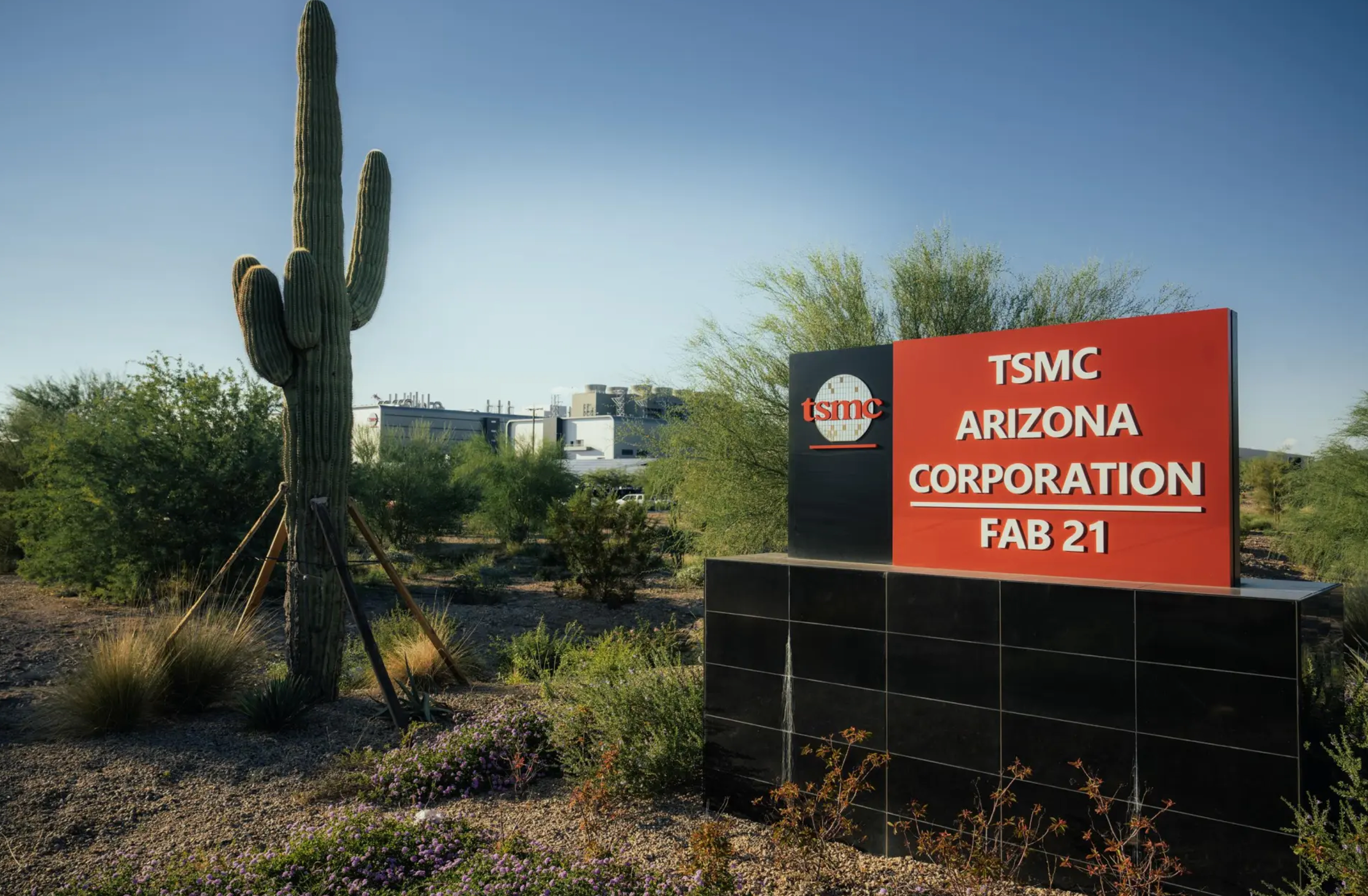
TSMC Arizona headquarters signage in Phoenix; the semiconductor factory employs more than 3,500 people.
Wafer fabs are water-heavy because chips must be washed repeatedly. Paul Westhoff, director of Arizona State University’s Global Water Technology Center, told The Verge that each chip undergoes 50 to 250 cleaning cycles, and tiny particles or impurities can affect performance.
Withdrawal and final consumption are different. Arizona State University water policy expert Sara Potter said about 60% to 65% of the water used in TSMC’s first Arizona plant is reclaimed, and the company plans to raise reuse to 90% by 2028.
The acceptance is also economic. The Verge reported that TSMC has more than 3,500 employees in Arizona, and its construction has pulled suppliers, restaurants, and other support businesses into the region. Real estate agent Rebecca Chen said she has seen more clients from TSMC and its supply chain.
Christine McKay, a Phoenix economic development official who helped recruit TSMC, framed the issue as the value generated per gallon of water. In her account, the jobs and industry activity justify the water commitment.
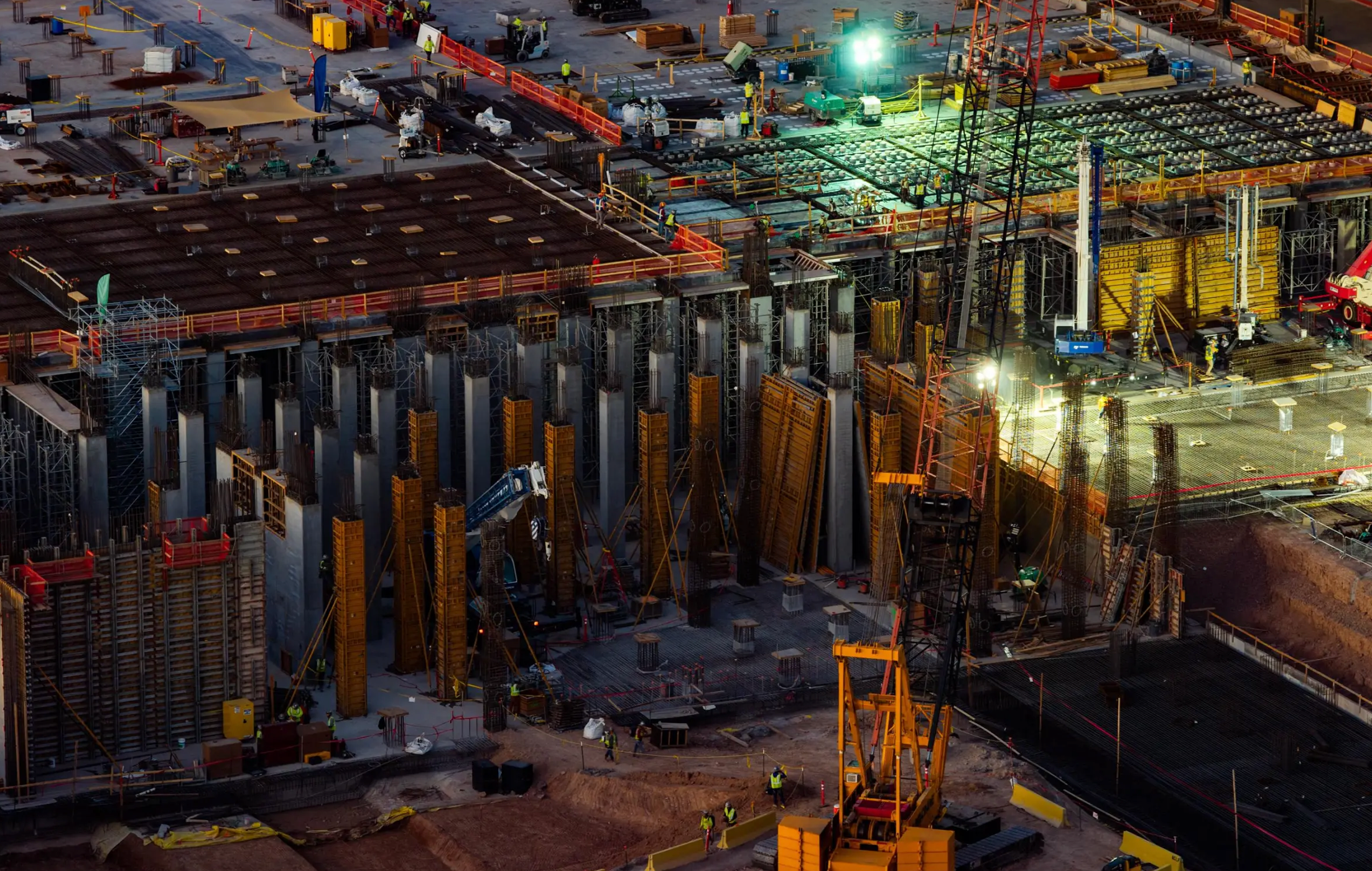
Construction of the TSMC Arizona headquarters continues in Phoenix.
Data center developers also cite taxes and investment. But for residents worried about AI’s effect on jobs, a large campus that operates with comparatively few employees is hard to welcome on the same terms as a chip factory.
The Larger Water User: Desert Agriculture
Blaming data centers alone can obscure the state’s older and larger water use. The Verge reported that irrigated agriculture accounts for about 70% of Arizona’s withdrawals. Crops such as cotton, citrus, and alfalfa for livestock have long depended on large volumes.
Saudi agricultural company Fondomonte once grew alfalfa in Arizona and shipped feed overseas. In 2023, its water use was about 11 billion gallons, far above the 31 million gallons per year that Project Blue was allowed to withdraw during construction.
But these figures come from different places, water sources, uses, and time periods. They cannot be simply added together or used to infer exactly what a data center will do to a local supply.
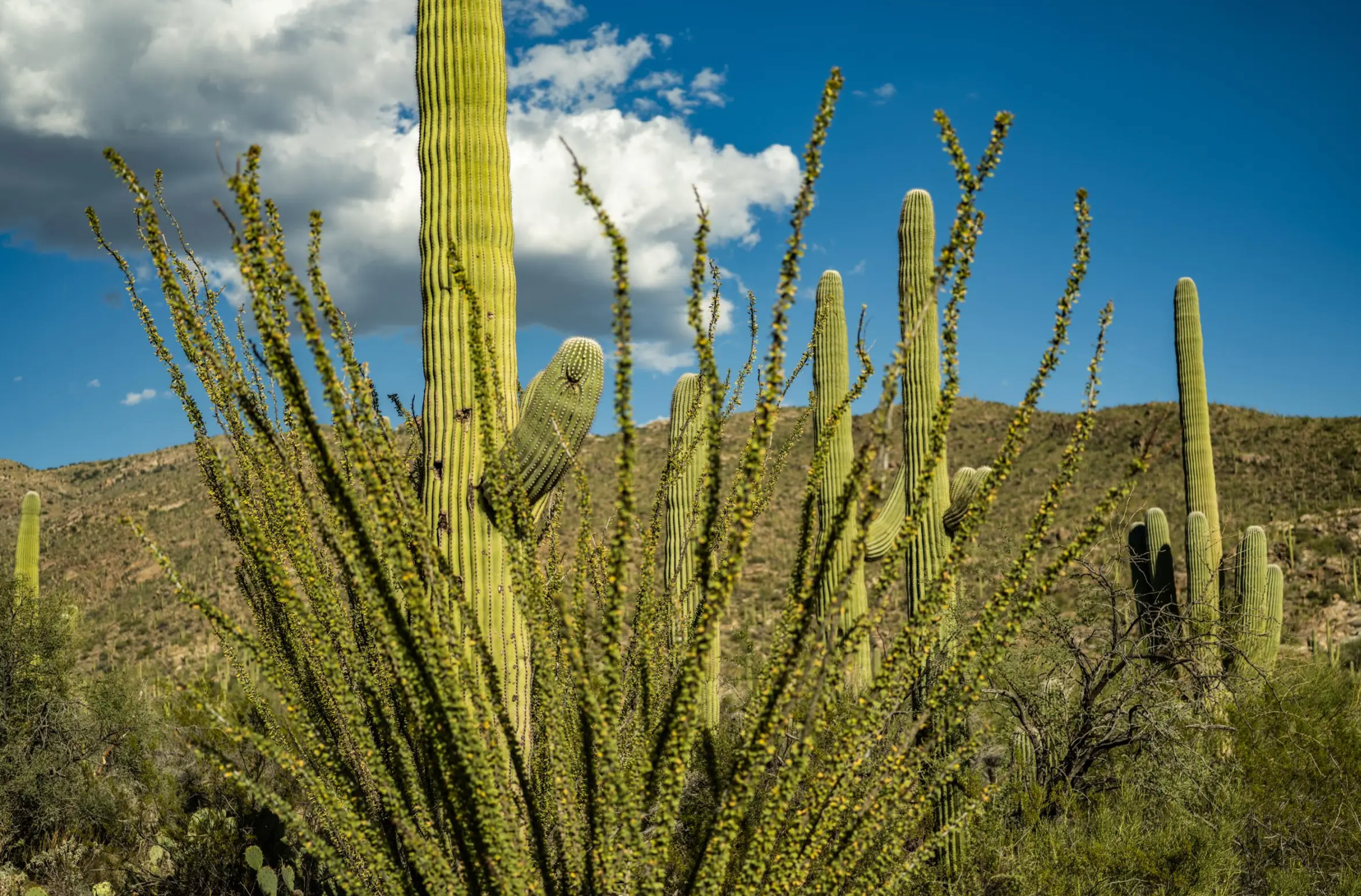
Giant saguaros in Arizona need little water and are now dying.
Water policy expert Potter said some Arizona agricultural water use has been unsustainable for years, and from an economic-output perspective, data centers and chip manufacturing may represent another use of water resources.
For many residents, however, agriculture’s history does not erase concerns about new facilities. Households have reduced their own water use and now face new large industrial loads. Even when projects promise conservation, people want assurance of supply for coming decades.
Quality Concerns Alongside Quantity
The chip-fab debate is not only about volume. The Verge noted that semiconductor manufacturing uses various fluorine-containing chemicals, including some per- and polyfluoroalkyl substances, known as PFAS, that resist breaking down in the environment. PFAS are also present in many everyday products, and some exposures are linked to health risks.
Environmental advocates worry poorly treated industrial wastewater could worsen groundwater contamination. In Tucson and surrounding areas, former military sites and manufacturing caused groundwater pollution whose cleanup is ongoing.
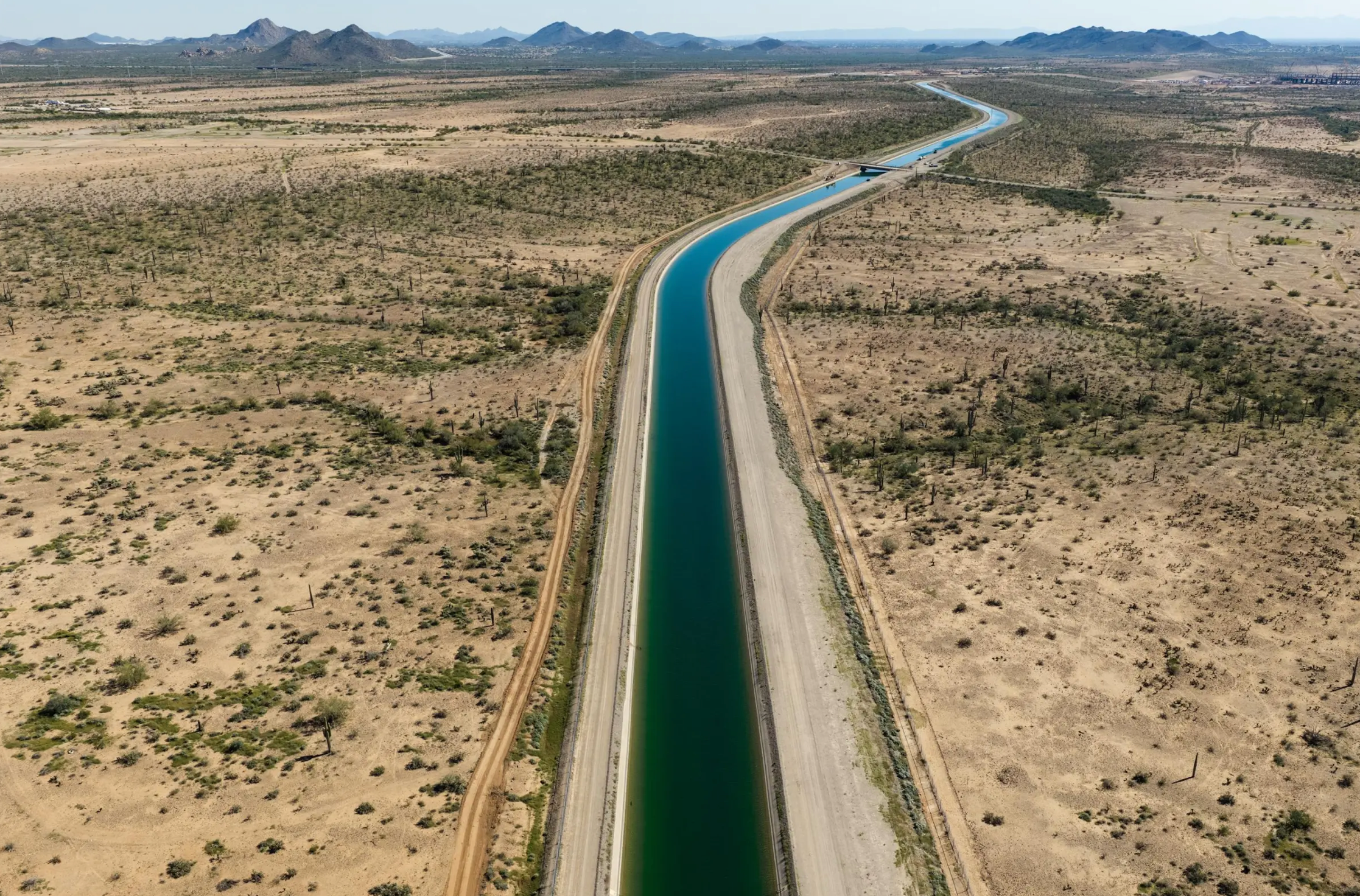
A Central Arizona Project irrigation canal carries Colorado River water toward Phoenix.
TSMC said it has been improving internal PFAS detection systems, developing technologies to remove related substances from wastewater, and researching alternative materials in manufacturing. Potter said Phoenix requires TSMC to treat wastewater before it enters the municipal sewer system.
Data Snapshot: How the Water Cases Compare
| Case | Water fact | Local value or caution |
|---|---|---|
| Project Blue | Up to 31 million gallons of groundwater annually, described by Beale as construction-only | About 3,000 temporary jobs, 200 high-paying positions, about $152 million in taxes over the next decade |
| Marana | About 6.6 million gallons per year after build | $407 million in taxes over the next decade, more than one-third to Marana |
| TSMC | About 4.75 million gallons daily, nearly 5 million gallons; about 60% to 65% reuse, plan 90% by 2028 | More than 3,500 employees, supplier, restaurant, and real-estate activity |
| Fondomonte | About 11 billion gallons in 2023 | Different source, location, and use; cannot be directly added to Project Blue |
Common Misconceptions
- Water withdrawal equals permanent consumption. The Project Blue groundwater allowance was described as a construction-only volume, while TSMC’s daily use includes high reuse rates.
- A data center is always a bigger water problem than a factory. Daily volumes are only part of the picture; reuse, discharge rules, source, and whether water returns to aquifers matter.
- Tax promises settle community concerns. Marana’s projected $407 million and more than one-third share for the town still did not prevent opposition over jobs, design, and local character.
- Arizona’s water shortage is caused by new industrial projects. Agriculture accounts for about 70% of state withdrawals, and Colorado River allocations are falling by nearly 30%.
Action Recommendations for Industrial Readers
- Map water flows before mapping megawatts. Distinguish withdrawn water, consumed water, reclaimed water, and construction-only volumes.
- Value water by local outcomes. Compare jobs, permanent positions, supplier networks, and tax revenue against local water stress.
- Design for regulatory risk. Pipeline commitments, cooling choices, and temporary permits can change project economics after local approval battles.
- Engage communities on quality and continuity, not only quantity. PFAS and groundwater cleanup history shape trust.
FAQ
Why did Tucson not approve the original pipeline plan?
City approval was required for land and water services, and local opposition grew as residents linked the plan to reduced Colorado River allocations and the slogan “Not a single drop of water for data.”
Why is TSMC’s water use more politically acceptable?
TSMC’s campus provides more than 3,500 jobs, reclaims a large share of process water, and generates supplier and tax activity, giving local officials a clear economic value per gallon argument.
Can data centers and agriculture be compared directly?
Not simply. Fondomonte’s 2023 water use of about 11 billion gallons and Project Blue’s 31 million gallons per year construction allowance refer to different sources, locations, purposes, and timeframes.
What is the unresolved question?
Arizona wants technology investment, while residents want household water security. The case shows that neither tax revenue nor reuse plans alone answer that tension.
For manufacturers, utilities, and developers, the lesson is not to avoid water-scarce regions. It is to enter them with verifiable water metrics, credible local benefit, and enough community engagement to survive a fight in which data has become a proxy for water.