
Anduril’s BlueChip Laptop Plan Targets More Than 65% U.S. Parts Cost Before 2027 Launch
For industrial buyers, program managers and suppliers watching government-facing hardware, the most important signal is not the laptop form factor but the shift in sourcing language: a product presented as a step toward rebuilding American computer manufacturing is now tied to a more than 65% U.S. parts-cost target before 2027. The BlueChip initiative, announced by Anduril Industries and Qualcomm, therefore reads less like a single device launch and more like a test of whether procurement pressure, phased supplier qualification and domestic assembly can move a complex electronics chain. WorldIndustrialWeekly views the case through that lens: what changes for workshops, contract planners and supply-chain teams when a “Made in USA” claim must be measured in component costs, not final assembly alone?
Case snapshot: a hardened laptop as a supply-chain experiment
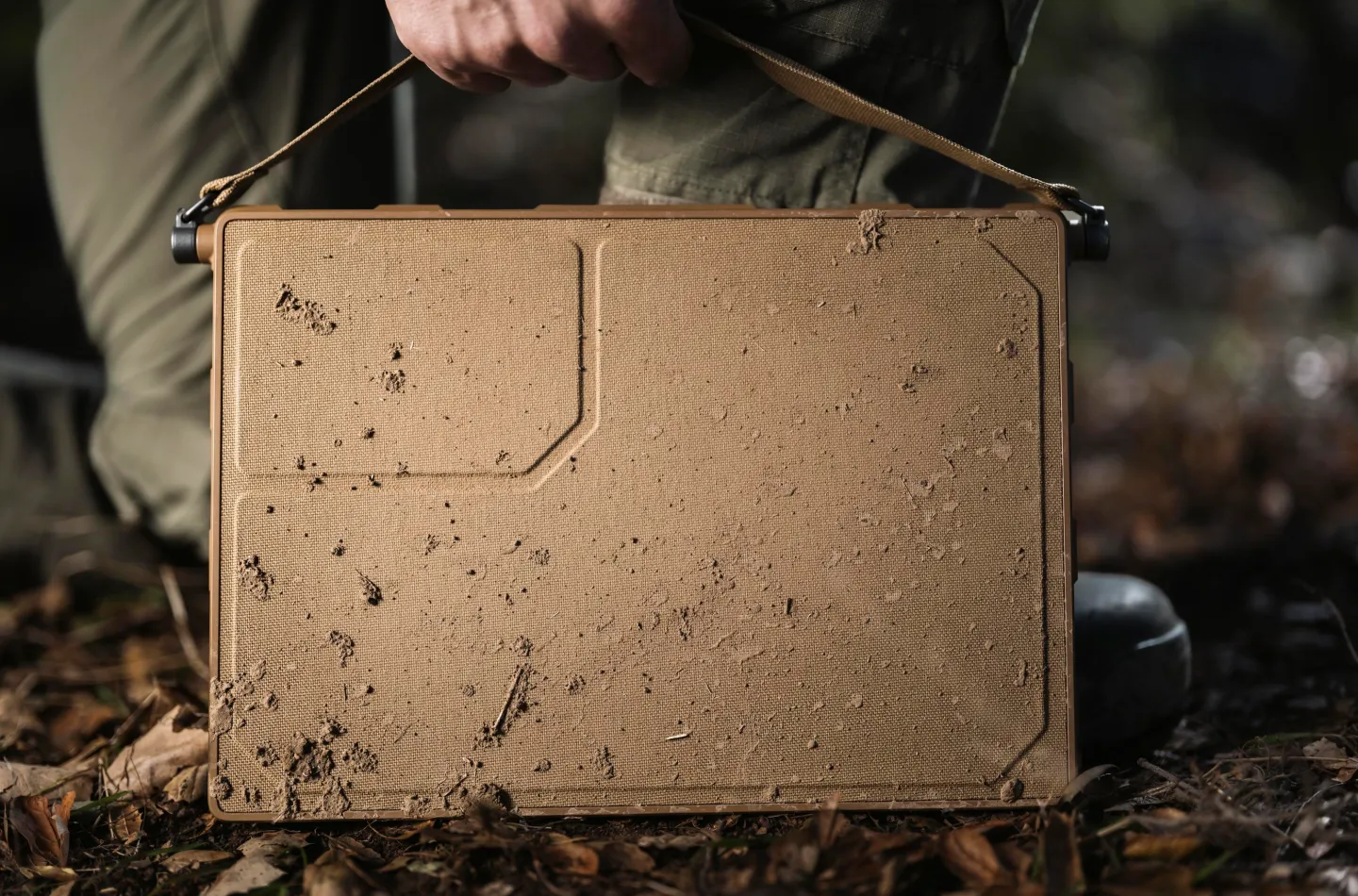
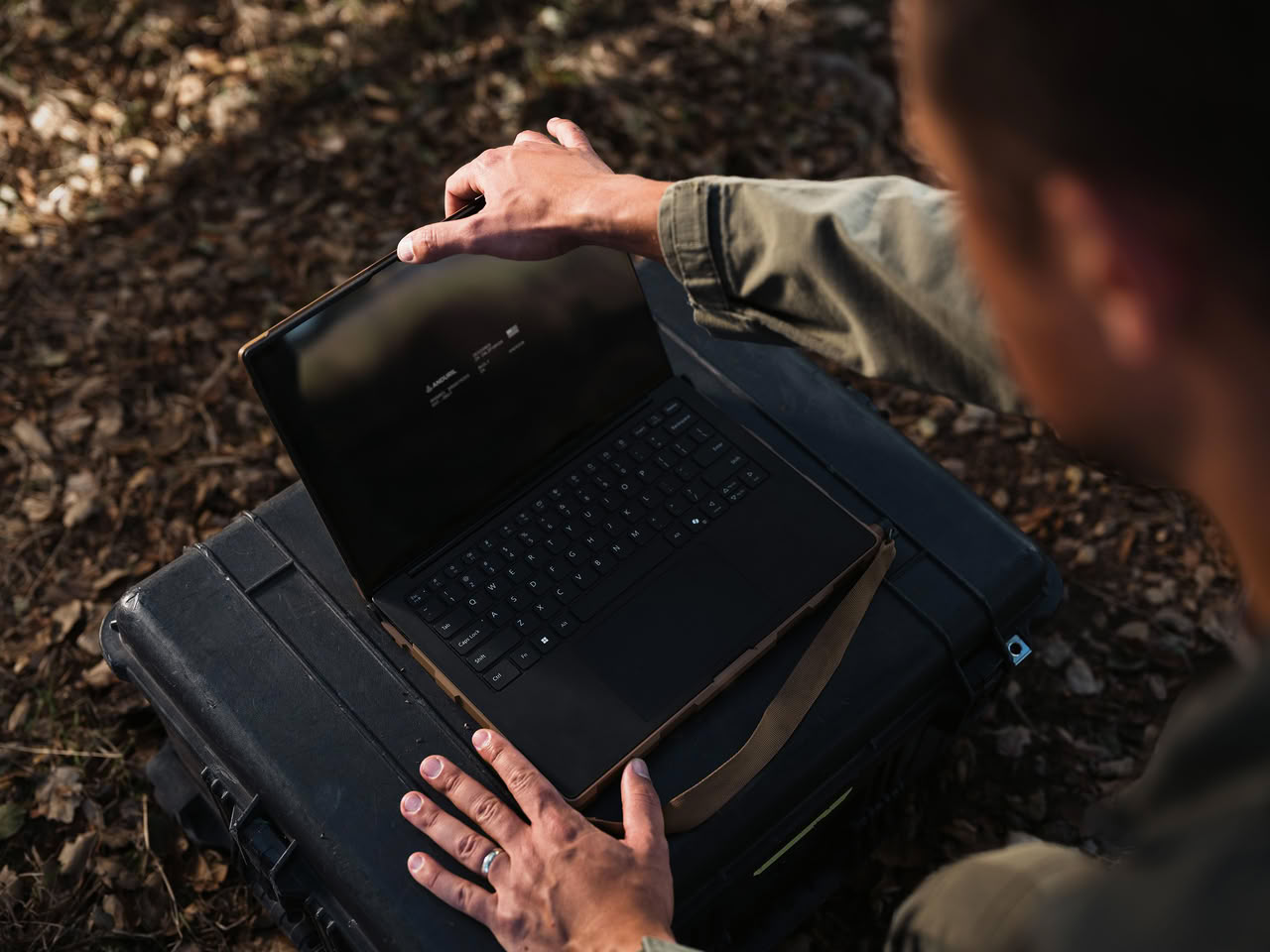
BlueChip is positioned as a ruggedized laptop line for U.S. federal government, military and public safety users, with first deployments aimed at personnel who handle sensitive data. The Qualcomm Snapdragon X series processor is expected to support local artificial intelligence execution. The stated sequence is narrow but strategic: serve government and defense demand first, then expand United States computer manufacturing capacity in stages. Palmer Luckey has framed the longer-term ambition as bringing processors, batteries, displays and other components into U.S. domestic production, while acknowledging that display cover glass and surrounding frames have partial local sourcing paths but other parts remain uncertain.
Data points that frame the commitment
- The product timeline centers on a 2027 launch, with further public information expected in the same year.
- At the prototype stage, U.S. parts were described as only about 32% of procurement cost; including United States and allied-country suppliers, the share was said to be more than 90%.
- The revised commitment places final U.S. parts cost above 65%, with 32% and 65% remaining the two anchor points that must be reconciled before volume production.
- Federal “Buy American” rules under the 1933 act, as adjusted, set a 65% domestic content threshold for covered purchases, with a planned step to 75% in 2029. Waivers may also apply.
From tentative language to a clearer target
The public progression matters. On Oct. 27, the product line was announced. Initially, Anduril did not give a fixed first-product domestic ratio. An Anduril spokesperson later said the prototype was about 32% United States domestic by procurement cost and more than 90% when allied suppliers were counted, while adding that the 65% goal could not yet be guaranteed. On Oct. 28, communications vice president Shannon Pryor said the earlier answer was wrong and stated that BlueChip would reach more than 65% domestic content at launch. The company still ties final percentages to supplier selection and prototype development.
Engineering path: where localization is being attempted
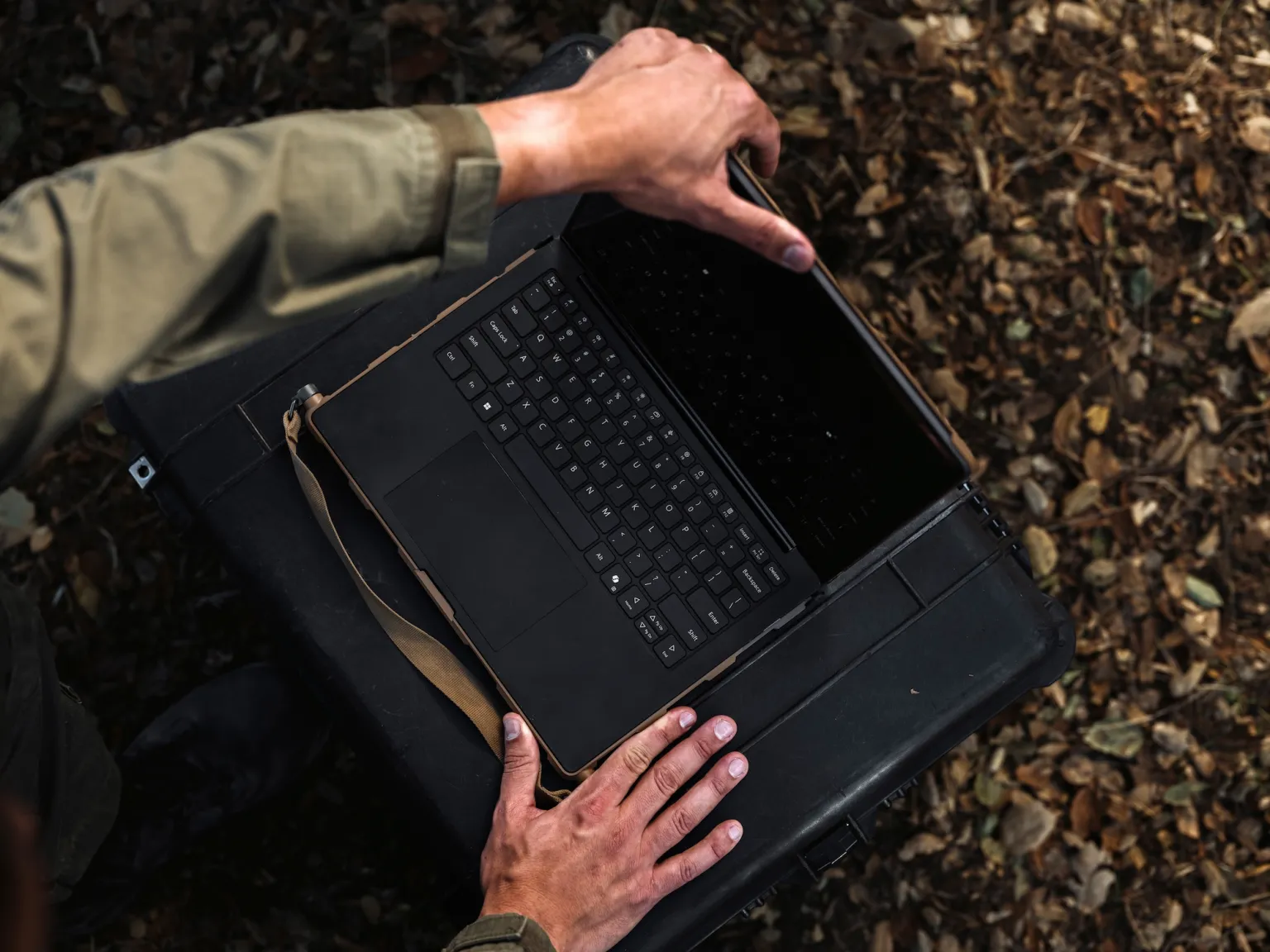
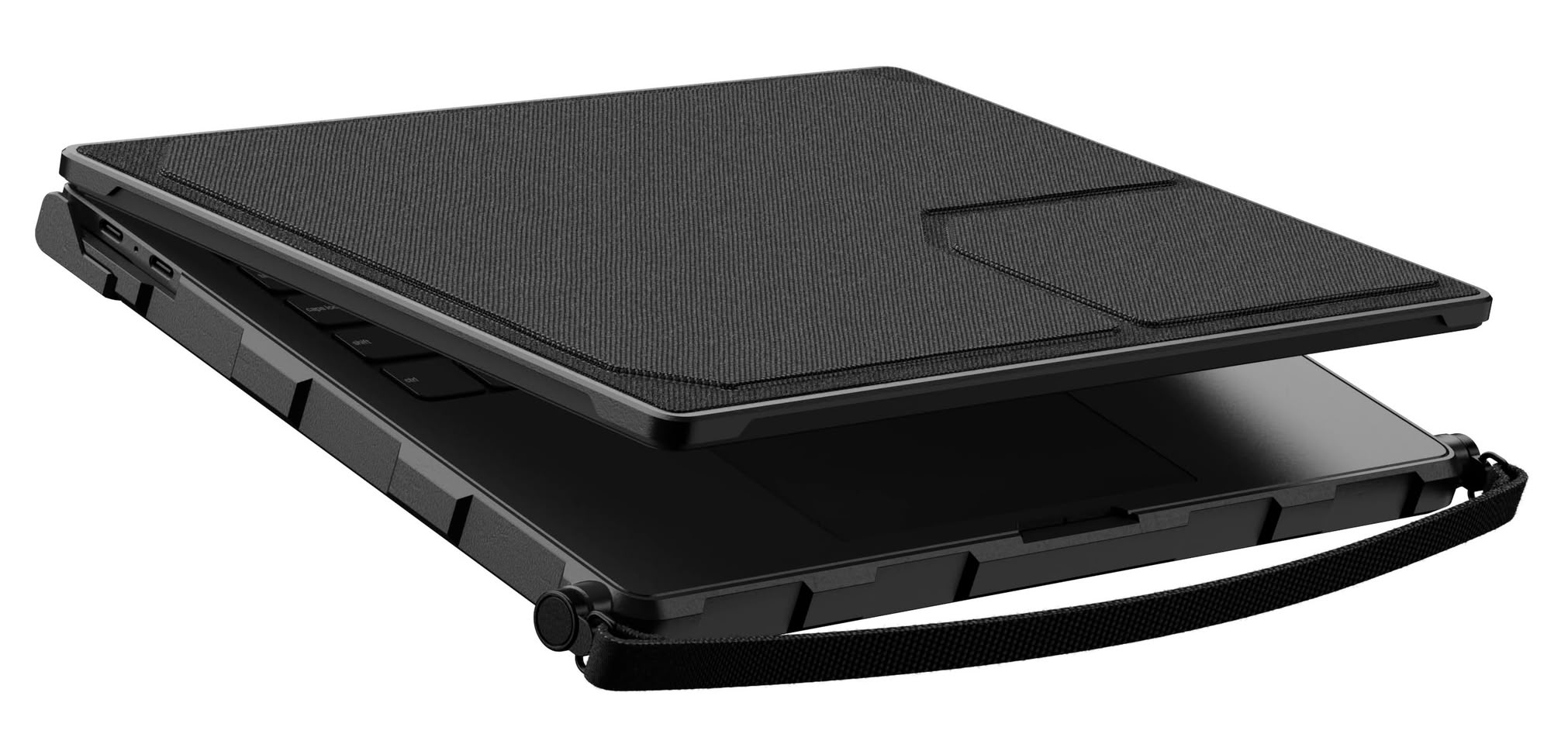
The disclosed engineering route is selective. Anduril says it is seeking a United States supplier for laptop cover glass, adapting batteries and power-management systems to available domestic battery technology, and designing enclosures around metal and fabrication methods that American industry can scale. For some electronic parts, Luckey has raised the idea of using field-programmable gate arrays, or FPGA, to replace selected power-management chips and circuits where U.S. sourcing is difficult. Qualcomm Chief Executive Officer Cristiano Amon has said Snapdragon processors would be manufactured by TSMC in Arizona, United States, while board assembly is planned at the Arsenal-1 facility in Ohio. Still, final bill-of-materials, production configuration and a full domestic-content calculation have not been published.
Common misconceptions
- “Assembled in America” is not the same as “U.S. parts cost above 65%.” Many key components, including displays and storage, remain concentrated in Asia.
- A single domestic processor site does not certify an entire laptop as fully local; the threshold depends on cost weighting and applicable procurement rules.
- Allied-country sourcing may support resilience, but it does not automatically satisfy a United States-only percentage test.
- A prototype percentage is not a volume guarantee; supplier certification, yield, cost and scale can change outcomes.
Action recommendations for operators and suppliers
- Treat the 32% prototype-to-65% target gap as a supplier-qualification schedule, not a marketing milestone.
- Map which parts can realistically move through cover glass, battery, enclosure, board assembly and FPGA substitution before 2027.
- Monitor the planned 2029 move to 75% because current eligibility under 65% does not ensure future eligibility.
- Request audit-ready component cost data and final configuration disclosures when procurement claims depend on Buy American rules.
- For factories, prioritize process documentation, material traceability and second-source risk controls before defending a Made in USA claim.
FAQ
Why is the BlueChip 65% number important?
Because U.S. federal government purchasing rules tied to the 1933 Buy American Act use domestic-content thresholds. A laptop above 65% could give agencies a compliant option, although eligibility still depends on classification and review.
Can the project still fail its stated target?
Yes, on current disclosure. The company has committed to more than 65% above the about 32% prototype level, but it has not explained how to close the gap in under two years, and final supplier qualification, production scale and cost control remain unresolved.
What is the broader industrial significance?
BlueChip is not only a product; it is an attempt to rebuild a United States computer chain for sensitive workloads, including communications, data analysis and AI inference, where disruptions from international conflict, trade limits or logistics can create risk.
By Michael Torres for WorldIndustrialWeekly. Editorial questions: news@industrialweekly.com.