
WorldIndustrialWeekly: AMD May Reprice Radeon GPU and GDDR6 Kits in November 2026 as Memory Tightness Persists
Purchasing teams, system integrators, and channel managers are watching a new supply-cost signal from the Radeon graphics ecosystem: AMD may again revise the price of GPU plus GDDR6 memory kits in November 2026. The timing is the sensitive part. After an October adjustment, another change within one month would compress margins for board partners and could widen price pressure across the global graphics-card market. The final effect on consumers is still indirect, because retail prices depend on inventory, production schedules, and distribution decisions.
Case View: How a Chip-Kit Price Move May Travel Through the Channel
According to supply-chain information circulated in China on the hardware forum Bobantang, AMD is considering another review of the GPU and GDDR6 memory bundle price offered to graphics-card partners. The report was later noted by VideoCardz, but the company has not issued an official confirmation, and the magnitude of any increase has not been disclosed.
This is not a simple consumer-facing list-price announcement. It points to upstream pricing for core chips and memory sets sold to card makers such as ASUS, Sapphire, and XFX. If their procurement cost rises, they may reassess finished-card prices, but only after working through older inventory, bill-of-materials assumptions, regional sales plans, and competitive positioning.
For WorldIndustrialWeekly readers, the practical case pattern is this: an upstream Radeon supply-price signal is a warning marker. It tells product, procurement, and operations teams to examine exposure, but it does not by itself create a new shelf price. The channel chain has multiple buffers: board makers, distributors, retailers, and stock already bought under previous cost assumptions.
Data Reference: Supply-Side Moves and Retail-Side Readings
The October 2026 retail survey by Hardware Unboxed provides one external reference point. It sampled 10 countries and found that the average global graphics-card selling price rose about 10% month over month. Some Radeon models showed larger increases: RX 9060 XT 16GB rose 17%, while RX 9070 and RX 9070 XT rose about 12%.
| Evidence point | Time | Reported change | Practical reading |
|---|---|---|---|
| GDDR6 memory price | third quarter of 2026 | about 8% to 10% | Shows upstream cost pressure before the latest Radeon supply signal. |
| AMD GPU and GDDR6 kit supply price | October 1 | adjusted | Partners have already absorbed a recent move. |
| Possible AMD kit repricing | November 2026 | under consideration; not confirmed | A second change within one month would reduce the interval for cost absorption. |
| Earlier AMD supply-price action | August and October 2026 | August increase reportedly at least 10%; October followed | The Radeon supply chain has already seen multiple short-window adjustments. |
| Radeon retail market survey | October 2026 | global average about 10% month over month | Hardware Unboxed surveyed 10 countries; retail data is downstream of chip-kit quotes. |
| Specific card price moves | October 2026 | RX 9060 XT 16GB 17%; RX 9070 and RX 9070 XT about 12% | Memory-heavy models may transmit cost more visibly. |
These numbers reflect different layers. The Hardware Unboxed figures are consumer purchase prices, while Bobantang-style supply-chain reports refer to AMD chip-kit pricing to partners. They are connected, but they are not identical.
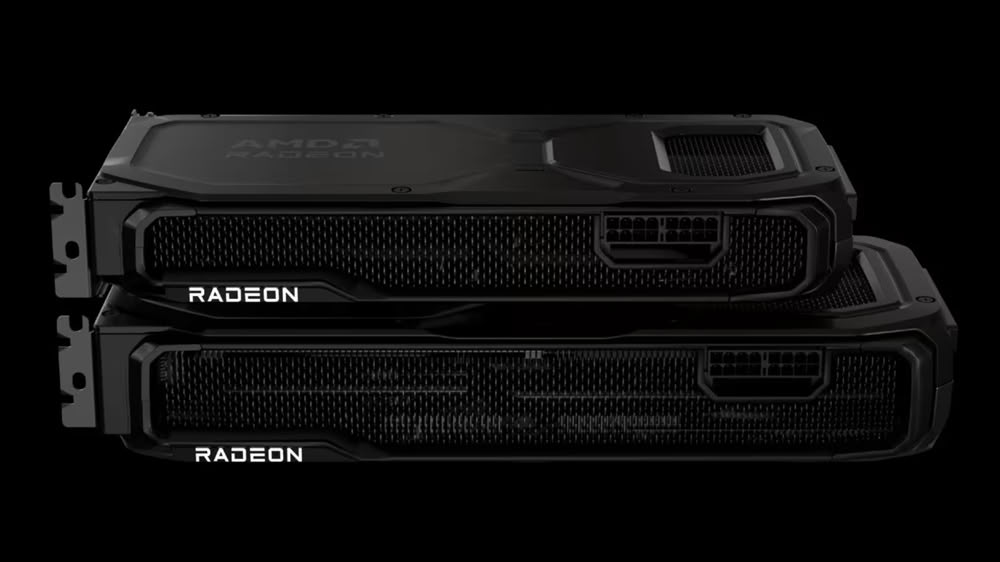
Even so, a November 2026 increase would matter because the distance between the October 1 adjustment and the new change is short. Board makers would have less time to re-cost models, and 16GB versions could face sharper pressure because they require a larger number of GDDR6 chips.
Why GDDR6 Remains the Pressure Point
The central reason is AI-driven allocation of memory manufacturing resources. Demand for servers and data-center infrastructure is pulling Samsung, SK hynix, and Micron toward higher-margin HBM and server DRAM products. GDDR6 is a different product family from HBM, but both depend on overlapping DRAM manufacturing capacity. When capacity, wafer allocation, and process priorities shift, graphics memory can become tighter even if the final device category is not directly an AI accelerator.
GDDR6 spot pricing had already shown stress before the AMD kit discussion. Supply-chain accounts say that since the end of 2025, some spot prices moved to several times their earlier levels. That created cost pressure for graphics-card manufacturers. AMD had maintained relatively stable kit pricing for a period, but as earlier procurement arrangements expired, higher input costs became more visible in partner-facing supply prices.
Advanced Packaging, Manufacturing Cost, and the Broader GPU Market
The global graphics-card market is not being squeezed by memory alone. It is also exposed to GPU chip pricing, advanced packaging, and broader manufacturing cost. AI data-center demand is changing the supply-chain structure of traditional PC hardware. In this setting, transferring rising GDDR6 procurement cost to partners is one way AMD may protect its own profit space. Whether consumers accept higher prices still depends on demand strength and the pricing behavior of competing suppliers.
Why RX 9000 and 16GB Configurations Are in Focus
The Radeon RX 9000 family is relevant because it uses RDNA 4 architecture and all models use GDDR6. Some configurations, including 16GB versions, place memory in a more prominent position within the material cost structure. That does not mean every card is equally affected, but it does explain why the November 2026 signal is being watched closely in Radeon product planning.
If the new kit-price move is implemented, partners will need to re-evaluate pricing across product tiers. The effect may be more visible on 16GB models because they carry a heavier GDDR6 content load. This is also why the October 2026 retail readings for RX 9060 XT 16GB, RX 9070, and RX 9070 XT are useful as a downstream reference.
Common Misconceptions
- It is already a confirmed retail price increase. The November 2026 report remains a supply-chain signal. AMD has not confirmed it, and details such as affected models, memory-capacity split, and regional implementation timing are unknown.
- GPU and GDDR6 kit price equals graphics-card retail price. No. There are manufacturers, distributors, retailers, old inventory, promotions, and regional demand differences between an AMD chip-kit quote and a shelf price.
- Only the named Radeon models matter. The article focuses on Radeon RX 9000, but the underlying GDDR6 supply pressure is broader. The practical lesson is to watch memory content and channel timing, not just brand names.
- Consumer prices must move at the same rate as supply prices. The October 2026 global average retail increase of about 10% and specific model moves do not map one-to-one to an upstream kit-price change.
Action Guidance for Procurement, Operations, and Engineering Buyers
- Verify before committing. Track official AMD notices. The current information does not disclose a confirmed increase, so large orders should distinguish between supplier guidance and confirmed cost.
- Separate the quote layers. When asking ASUS, Sapphire, or XFX for updated pricing, request the split between GPU and memory cost where possible. A board-level quote can hide different memory-content effects.
- Model 16GB exposure. If a design uses RDNA 4 based Radeon cards or plans RX 9000 purchases, prioritize memory capacity as a cost driver, especially 16GB SKUs.
- Plan for the December window. If a November 2026 adjustment is implemented, inventory turnover and channel buffers could make consumer-facing pressure more visible around the December shopping season.
Market Outlook: A Cost Chain Still Moving
The main uncertainty is not whether one report exists; it is whether the report becomes a confirmed supplier action. Specific affected model families, capacity-specific increases, and the timing for partners by region are all unconfirmed. Still, the direction is clear enough to affect planning: AMD already made adjustments in August and October 2026, and a November 2026 move would mark another short-interval increase.
For consumers, the transmission usually lags. Manufacturers and distributors may sell inventory bought under older cost assumptions. Only after production, distribution, and stock replacement does a new upstream price become broadly visible on store shelves or online listings. If the November adjustment falls into place, the stronger consumer-facing pressure may appear later, with December as a notable demand window.
For industrial buyers, the larger point is that a component-cost trend is forming. GPU, memory, advanced packaging, and manufacturing cost are moving together under AI data-center demand. Radeon RX 9000 may not enter a stable price period while GDDR6 supply cost keeps rising. If AMD confirms a November 2026 kit-price increase, the probability of further graphics-card market price rises before year-end will be higher.
FAQ
Which AMD products are discussed in the November 2026 report?
The report refers to AMD GPU and GDDR6 memory kits supplied to graphics-card partners, including makers such as ASUS, Sapphire, and XFX. It is an upstream pricing signal, not a finished-card retail list.
Has AMD confirmed the increase?
No. The information was circulated through the Bobantang supply-chain channel and noted by VideoCardz, but AMD has not officially confirmed it. The exact increase, affected models, and regional timing are also not confirmed.
Why is the one-month interval important?
Because AMD already adjusted supply prices around October 1. A November 2026 change would give partners little time to absorb the previous move before facing another one.
What does the October 2026 retail survey show?
Hardware Unboxed surveyed 10 countries and reported an average global graphics-card price increase of about 10% month over month. The RX 9060 XT 16GB rose 17%, and the RX 9070 and RX 9070 XT rose about 12%.
Why could 16GB models feel the pressure more strongly?
They require more GDDR6 chips per board. Within the RX 9000 family, RDNA 4 designs use GDDR6, and larger memory configurations can make the material cost more sensitive to memory price changes.
When could consumers notice the change?
Not automatically at the same time. Existing inventory may be priced under older cost assumptions. If a November 2026 adjustment is implemented, consumers may feel stronger pressure during the December shopping season.
What should WorldIndustrialWeekly readers take away?
Treat the report as a supply-chain cost warning for Radeon graphics procurement. Confirm official AMD actions, separate chip-kit costs from retail prices, and pay attention to memory-heavy models when making purchasing plans.